
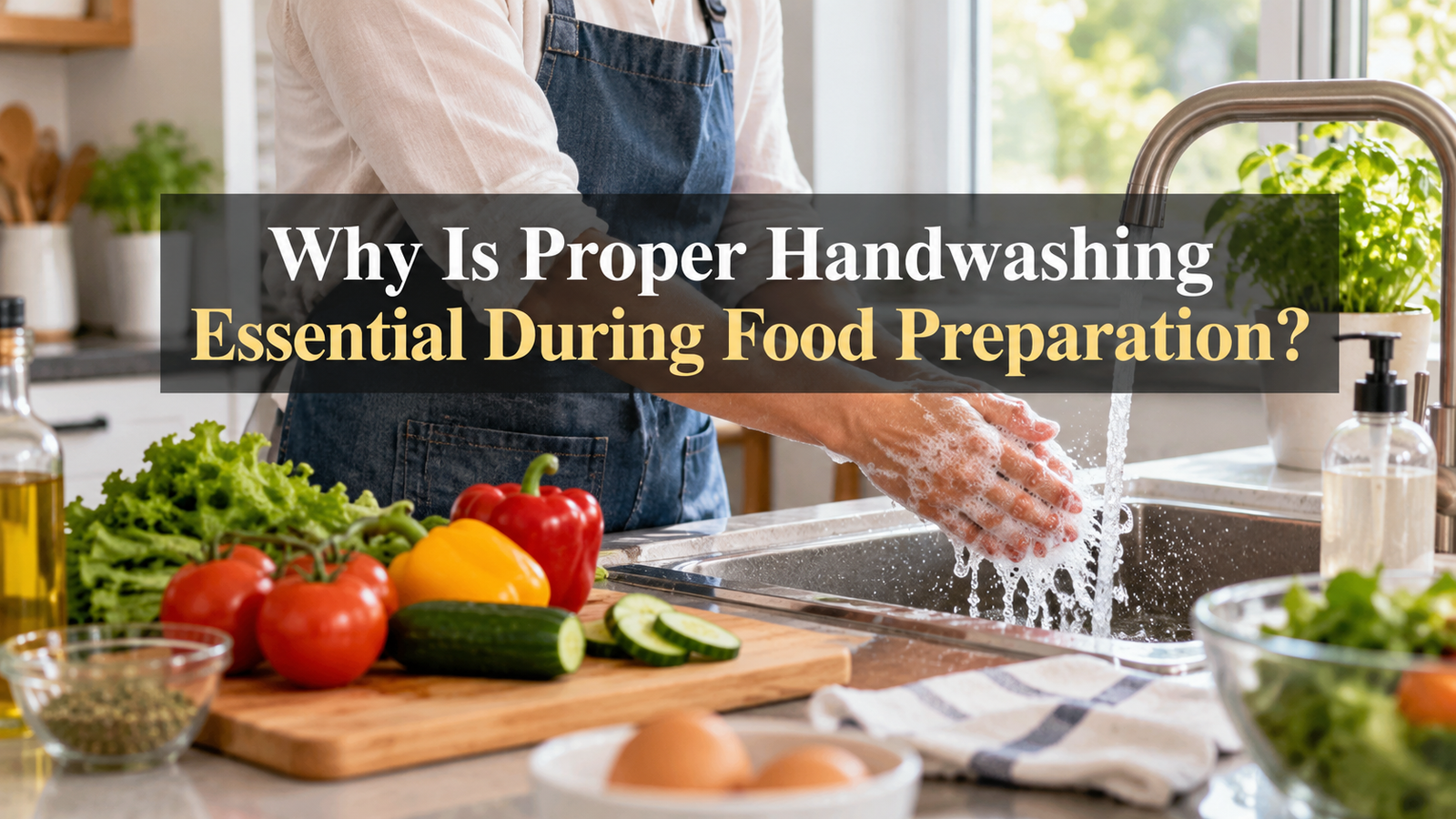
Food safety begins with simple habits that we practice in our kitchens every day. One of the most important habits is washing our hands properly before and during food preparation. Many people focus on washing vegetables, cleaning cooking utensils, and storing ingredients correctly, but they sometimes forget that their hands can also carry harmful germs.
Our hands touch many objects throughout the day, including mobile phones, door handles, money, kitchen surfaces, and raw food. These objects may contain microorganisms that are invisible to the human eye. When we start preparing food without cleaning our hands, these germs can transfer directly to the ingredients we use.
Understanding why proper handwashing is essential during food preparation helps us develop safer cooking habits and protect our families from foodborne illnesses. Handwashing is a simple activity, but it plays a major role in maintaining kitchen hygiene and preventing food contamination.
Understanding the Importance of Handwashing in Food Safety
Handwashing is one of the easiest ways to reduce the spread of harmful microorganisms during cooking. Our skin naturally carries microorganisms, and additional germs can collect on our hands when we touch different surfaces.
Some microorganisms are harmless, while others can cause illness if they enter our bodies through contaminated food.
When we prepare meals, our hands frequently come into contact with ingredients, utensils, and cooking equipment. Without proper hygiene, germs can move between these surfaces.
For example, a person may handle raw chicken and then touch fresh vegetables without washing their hands. If those vegetables are eaten without cooking, harmful bacteria from the chicken could enter the body.
Proper handwashing helps interrupt this process and reduces the risk of food contamination.
How Germs Spread Through Our Hands During Cooking
Germs can spread easily in a kitchen because food preparation involves frequent contact with different materials.
A person may begin cooking with clean hands but accidentally introduce contamination while preparing the meal.
Common sources of germs include:
- Raw meat, poultry, and seafood
- Unwashed fruits and vegetables
- Kitchen countertops and cutting boards
- Garbage bins and waste materials
- Mobile phones and electronic devices
- Dirty cleaning cloths and sponges
- Pets and their feeding equipment
Touching these items does not always mean that a person will become sick. However, it creates opportunities for harmful microorganisms to reach food.
This is especially important when preparing foods that will not be cooked before eating.
Fresh salads, sandwiches, cut fruits, and ready to eat meals require careful handling because there may be no additional cooking step to destroy harmful bacteria.
Why Handwashing Helps Prevent Foodborne Illnesses
Foodborne illness occurs when someone consumes food contaminated with harmful bacteria, viruses, parasites, or their toxins.
Certain microorganisms can cause digestive problems such as diarrhea, vomiting, stomach cramps, and nausea.
Common foodborne pathogens include Salmonella, certain strains of Escherichia coli, Campylobacter, and norovirus.
These microorganisms can enter the kitchen through contaminated ingredients, infected food handlers, or unclean surfaces.
Washing hands with soap and running water helps remove many germs before they spread to food.
Although handwashing cannot eliminate every possible food safety risk, it is an important preventive measure.
Children, older adults, pregnant women, and people with weakened immune systems may face greater risks from certain foodborne infections.
Maintaining proper hand hygiene is therefore especially important when preparing meals for vulnerable family members.
When Should You Wash Your Hands During Food Preparation?
Knowing when to wash your hands is just as important as knowing how to wash them.
Many people wash their hands before entering the kitchen but forget to repeat the process during cooking.
Hands should be washed at several important moments.
Before Starting Food Preparation
Always wash your hands before touching ingredients, kitchen utensils, or cooking equipment.
This helps remove germs collected from activities performed earlier in the day.
Even when hands appear clean, microorganisms may still be present.
After Handling Raw Meat or Poultry
Raw chicken, beef, mutton, and other meats may contain harmful bacteria.
After touching raw meat, wash your hands thoroughly before handling vegetables, spices, utensils, or cooked foods.
This simple habit helps reduce the possibility of cross contamination.
After Using the Bathroom
Bathroom use can expose hands to microorganisms that may cause digestive infections.
Washing with soap and running water afterward is essential before returning to food preparation.
After Touching Garbage
Kitchen waste can contain food residue and microorganisms.
Always wash your hands after handling garbage bags, waste containers, or discarded food.
After Coughing, Sneezing, or Touching Your Face
Our noses, mouths, and respiratory secretions can carry germs.
If you cough, sneeze, blow your nose, or touch your mouth while cooking, wash your hands before touching food again.
After Handling Pets
Pets can carry microorganisms on their fur, paws, feeding bowls, and toys.
Wash your hands after touching animals or their belongings before preparing meals.
What Is the Correct Way to Wash Your Hands Before Cooking?
Proper handwashing involves more than briefly rinsing your fingers under water.
Following a simple method can improve cleanliness and reduce the number of germs on your hands.
Step 1: Wet Your Hands With Clean Running Water
Begin by wetting both hands under clean running water.
Warm or cold water can be used. The most important factors are using clean water, soap, and proper washing techniques.
Step 2: Apply Soap
Apply enough soap to cover your hands.
Ordinary soap is suitable for routine handwashing. Antibacterial soap is not generally necessary for everyday household food preparation.
Step 3: Rub Your Hands Thoroughly
Rub your palms together and clean the backs of your hands.
Pay attention to the spaces between your fingers, fingertips, thumbs, and areas around your nails.
These places are sometimes overlooked during quick handwashing.
Step 4: Scrub for at Least 20 Seconds
Continue rubbing your hands with soap for at least 20 seconds.
This allows enough time to clean the different surfaces of your hands properly.
Step 5: Rinse Under Running Water
Rinse your hands thoroughly to remove soap, loosened dirt, and microorganisms.
Step 6: Dry With a Clean Towel
Dry your hands using a clean towel or disposable paper towel.
Avoid using dirty kitchen cloths because they may transfer germs back onto clean hands.
Following these steps before and during cooking supports better kitchen hygiene.
How Proper Handwashing Prevents Cross Contamination
Cross contamination occurs when harmful microorganisms move from one food, object, or surface to another.
This is a common concern during meal preparation.
Imagine preparing chicken curry and a fresh cucumber salad at the same time.
After cutting raw chicken, you immediately begin slicing cucumbers without washing your hands.
Bacteria from the chicken may transfer to the cucumbers.
Because the salad will not be cooked, those bacteria may remain on the food when it is served.
Washing your hands after handling the raw chicken helps prevent this transfer.
However, handwashing should be combined with other food safety measures.
Using separate cutting boards for raw meat and vegetables, cleaning utensils properly, and sanitizing food contact surfaces when necessary are equally important.
Together, these practices provide stronger protection against contamination.
Why Washing Hands With Water Alone Is Not Enough
Some people rinse their hands with water and believe they are ready to prepare food.
Although rinsing may remove some visible dirt, water alone is generally less effective than washing with soap.
Soap helps loosen oils, dirt, and microorganisms attached to the skin.
Rubbing the hands creates friction that helps remove these materials.
Running water then carries them away.
Using soap is especially important after handling raw ingredients, visiting the bathroom, or touching contaminated objects.
A proper handwashing routine should therefore include soap, running water, sufficient scrubbing, and clean drying.
Should You Use Hand Sanitizer Instead of Soap?
Hand sanitizers can be useful in certain situations, especially when soap and water are unavailable.
However, they are not a complete replacement for proper handwashing during food preparation.
Sanitizers may be less effective when hands are visibly dirty or greasy.
They also do not remove all types of germs equally well.
For routine kitchen activities, washing hands with soap and clean running water is the preferred method.
When soap and water are unavailable, an alcohol based sanitizer containing at least 60 percent alcohol may provide temporary assistance, but hands should be washed properly as soon as possible.
Hand sanitizer should also be allowed to dry completely before handling food.
Why Clean Hands Matter When Preparing Food for Children
Children can be more vulnerable to certain foodborne illnesses because their immune systems are still developing.
Preparing meals for young children therefore requires careful attention to hygiene.
Parents and caregivers should wash their hands before preparing baby food, cutting fruits, making sandwiches, or serving meals.
Extra care is necessary when handling bottles, feeding utensils, and ready to eat foods.
For example, someone changing a baby’s diaper should wash their hands thoroughly before preparing the baby’s next meal.
Teaching children to wash their own hands before eating also helps them develop healthy habits early in life.
These practices can make food hygiene a normal part of the family’s daily routine.
Common Handwashing Mistakes People Make in the Kitchen
Even people who regularly wash their hands may make small mistakes that reduce the effectiveness of the process.
One common mistake is washing for only a few seconds.
Another is cleaning only the palms while ignoring fingertips, thumbs, and areas between the fingers.
Some people use the same kitchen towel throughout the day without considering whether it has become dirty.
Touching a contaminated object immediately after washing can also introduce germs again.
For example, washing your hands and then touching a mobile phone used during raw meat preparation may undo some of the benefit.
Keeping fingernails clean and short can also help prevent dirt from collecting underneath them.
Avoiding these mistakes makes handwashing more effective and supports safer cooking.
How to Build Better Handwashing Habits at Home
Developing consistent handwashing habits does not require expensive equipment or complicated routines.
The best approach is to make hand hygiene a natural part of everyday cooking.
Keep soap near the kitchen sink so that it is easily available.
Make sure clean towels or disposable paper towels are accessible.
Encourage everyone who helps with cooking to wash their hands before touching ingredients.
If children participate in simple cooking activities, teach them how to wash their hands correctly.
It is also helpful to keep frequently touched kitchen surfaces clean.
Remember that clean hands can become contaminated again after touching dirty equipment or raw ingredients.
By repeating handwashing at appropriate times, families can maintain better kitchen hygiene without making food preparation unnecessarily difficult.
The Connection Between Handwashing and Overall Kitchen Cleanliness
Handwashing works best when it is part of a complete food safety routine.
A clean kitchen includes properly washed utensils, clean countertops, safe food storage, and suitable cooking temperatures.
For example, washing your hands before cutting vegetables is beneficial, but using a dirty cutting board can still contaminate the food.
Similarly, clean hands cannot make undercooked meat safe to eat.
Cooking meat thoroughly and storing perishable foods at safe temperatures remain essential.
Food hygiene is therefore a combination of several simple practices that work together.
When handwashing becomes a regular part of this routine, it strengthens the overall cleanliness of the kitchen.
Frequently Asked Questions About Handwashing During Food Preparation
How Long Should You Wash Your Hands Before Cooking?
You should scrub your hands with soap for at least 20 seconds before rinsing them thoroughly under clean running water.
Is It Necessary to Wash Hands After Touching Raw Vegetables?
Yes. Unwashed vegetables may carry soil, dirt, and microorganisms. Wash your hands after handling them, particularly before touching ready to eat foods.
Can Gloves Replace Handwashing During Cooking?
No. Gloves do not eliminate the need for proper hand hygiene. Wash your hands before putting on gloves, and change gloves when they become contaminated or when switching tasks.
Should You Wash Your Hands After Touching Your Phone While Cooking?
Yes, especially when the phone may be contaminated. Mobile phones are frequently handled and can transfer germs back onto clean hands.
Does Hot Water Kill Germs During Handwashing?
Water does not need to be hot to clean hands effectively. Soap, thorough rubbing, and rinsing are more important than water temperature.
Conclusion
Proper handwashing is essential during food preparation because it helps prevent the spread of harmful microorganisms and reduces the risk of foodborne illness.
Our hands touch many surfaces throughout the day, and germs can easily move from these surfaces to the foods we prepare.
Washing hands with soap and clean running water before cooking, after handling raw ingredients, and whenever contamination occurs is a simple but valuable habit.
It is equally important to dry hands properly, maintain clean kitchen surfaces, and avoid cross contamination.
Good food safety does not depend on complicated methods. It begins with consistent attention to everyday hygiene.
By making proper handwashing during food preparation a regular practice, we can create a cleaner cooking environment, protect our families, and prepare meals with greater confidence.


