
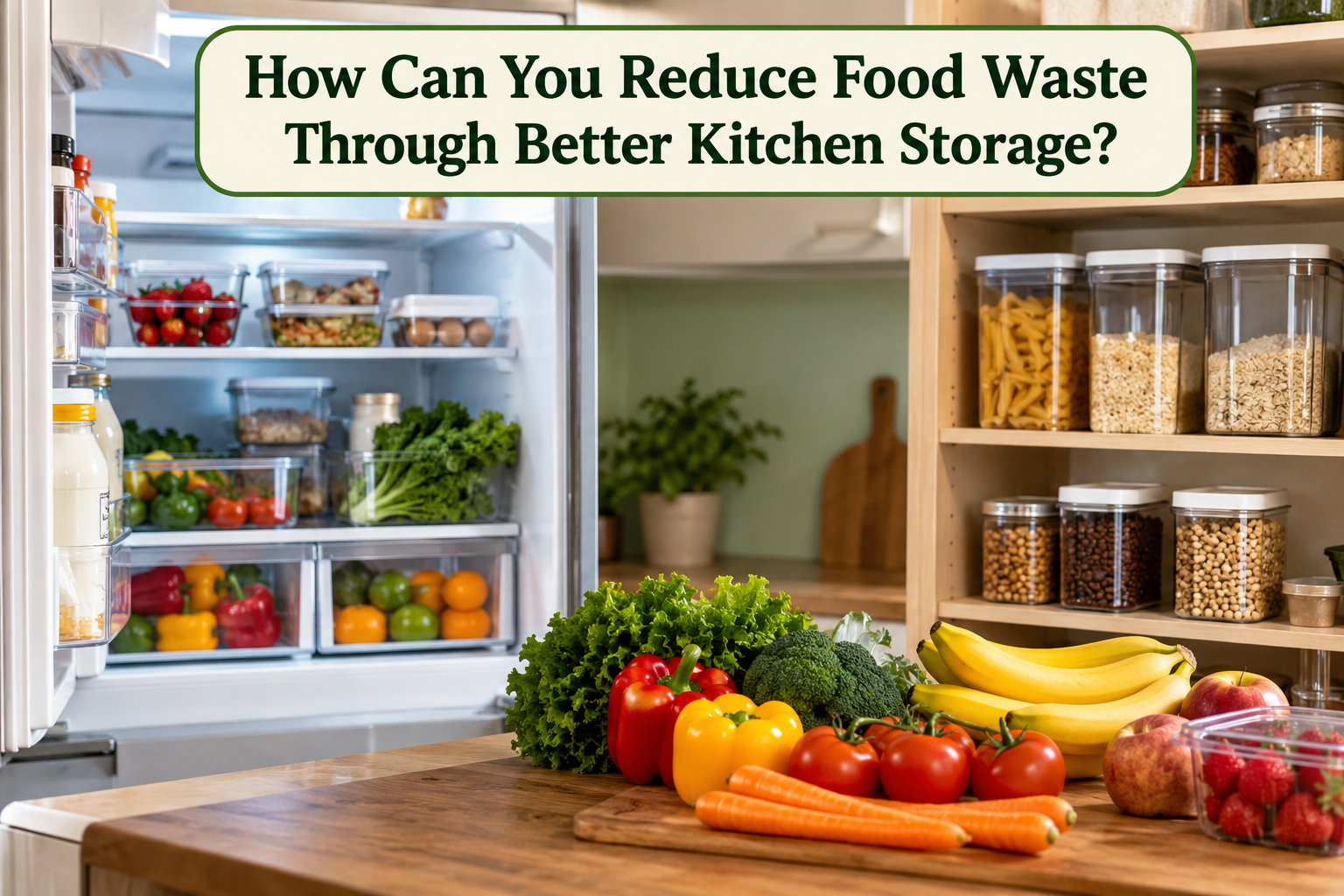
Food waste is a common problem in many households. People often buy fresh vegetables, fruits, dairy products, and other groceries with the intention of using everything. However, some foods spoil before they can be prepared. Vegetables lose their freshness, fruits become overripe, and leftover meals remain forgotten in the refrigerator. These situations lead to unnecessary food waste and increase household expenses.
One of the most effective ways to reduce food waste is through better kitchen storage. Proper storage helps maintain food quality, protects ingredients from contamination, and makes everyday meal preparation easier. It also allows families to use the groceries they already have instead of buying unnecessary replacements.
Understanding how to store different foods correctly can make a noticeable difference in household food management. Simple habits such as organizing refrigerator shelves, checking storage temperatures, and using suitable containers can help reduce food waste without requiring expensive equipment.
Why Is Proper Kitchen Storage Important?
Kitchen storage plays an important role in keeping food fresh and safe. Different foods react differently to temperature, moisture, light, and air exposure. When food is stored under unsuitable conditions, its quality can decline more quickly.
For example, leafy vegetables may wilt when they lose moisture, while bread can develop mold when exposed to excessive humidity. Similarly, dairy products may spoil faster when refrigerator temperatures are too high.
Proper food storage helps households:
- Maintain the freshness of ingredients.
- Reduce unnecessary grocery expenses.
- Prevent avoidable food spoilage.
- Improve kitchen organization.
- Make meal preparation more convenient.
- Use purchased groceries more efficiently.
These benefits show why learning better kitchen storage habits is an important part of responsible household management.
1. Organize Your Refrigerator Properly
A well organized refrigerator makes it easier to identify available ingredients and use them before they spoil.
When food containers are placed randomly, smaller items can become hidden behind larger products. As a result, people may forget about vegetables, dairy products, or cooked meals until they are no longer safe to eat.
Start by arranging foods according to their storage requirements.
Keep ready to eat foods and leftovers covered on upper shelves. Store raw meat, poultry, and seafood in sealed containers on the lowest shelf to prevent their juices from dripping onto other foods.
Use refrigerator drawers for fruits and vegetables according to the manufacturer’s recommendations.
Avoid filling every available space because cold air needs room to circulate.
A refrigerator thermometer can help confirm that the temperature remains at or below 4°C, or 40°F.
Checking refrigerator organization once or twice a week can help prevent forgotten food from becoming waste.
2. Use the First In, First Out Method
The First In, First Out method is a simple food management technique used in professional kitchens and household storage.
The idea is to use older products before opening newly purchased ones.
For example, imagine buying a new packet of rice while another packet is already open. Instead of using the new packet immediately, finish the older rice first.
The same approach works for canned foods, flour, cooking oils, and packaged groceries.
Place recently purchased products behind older products so that the items requiring earlier use remain visible.
However, always check expiration dates and the condition of food rather than relying only on purchase order.
This method reduces the chances of ingredients remaining unused for long periods.
3. Store Fruits and Vegetables According to Their Needs
Fresh produce represents a significant portion of household food waste because fruits and vegetables have different storage requirements.
Some vegetables remain fresh longer in the refrigerator, while certain fruits maintain better quality at room temperature until they ripen.
Leafy greens such as spinach, lettuce, and coriander generally benefit from refrigeration. Removing damaged leaves and keeping the remaining produce in suitable containers can help maintain quality.
Carrots, cabbage, and broccoli should also be refrigerated.
Bananas are commonly kept at room temperature. Whole tomatoes can be kept at room temperature until ripe, although refrigeration may help slow further deterioration once they are ripe.
Potatoes should be stored in a cool, dark, dry, well ventilated location rather than exposed to direct sunlight.
Whole onions also benefit from dry, ventilated storage.
Understanding the requirements of individual ingredients helps prevent premature spoilage.
4. Choose Suitable Food Storage Containers
Food storage containers protect ingredients from environmental exposure and help maintain kitchen cleanliness.
Different containers serve different purposes.
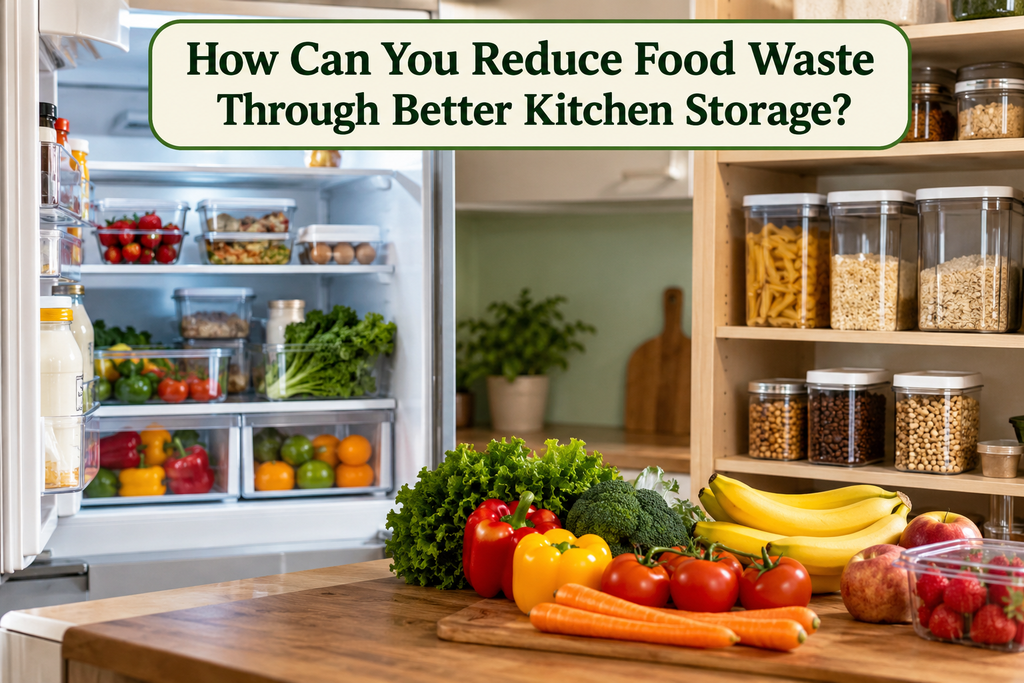
Airtight containers are useful for storing dry ingredients such as rice, flour, lentils, and breakfast cereals. They help limit moisture exposure and protect foods from insects.
Food grade glass and plastic containers can be used for refrigerated leftovers when suitable for the intended temperature.
Transparent containers are especially helpful because their contents remain visible.
This visibility encourages people to use available ingredients instead of forgetting them.
Reusable containers also reduce dependence on disposable packaging.
Always clean and dry containers properly before adding fresh ingredients.
When replacing old containers, choose durable products that are easy to wash and suitable for food storage.
5. Understand Proper Freezer Storage
Freezing is one of the most practical ways to preserve food for future meals.
Many households throw away ingredients simply because they cannot use them immediately. Freezing suitable foods can prevent this unnecessary waste.
Meat, poultry, fish, bread, vegetables, and many cooked dishes can be frozen.
Before freezing, divide large quantities into smaller portions. This allows you to thaw only the amount needed for a particular meal.
Use freezer safe containers or bags and remove excess air where practical to reduce freezer burn.
Label packages with the food name and freezing date.
Keep the freezer at 0°F, or approximately minus 18°C, or colder.
Food kept continuously frozen at this temperature can remain safe for a long time, although its quality may gradually decline.
Thaw frozen food safely in the refrigerator, in cold water that is changed regularly, or in the microwave when cooking immediately afterward.
Never leave perishable frozen foods on the kitchen counter for extended periods.
6. Label Stored Food With Dates
Food labeling is a small habit that can make kitchen storage more effective.
Without labels, it can become difficult to remember when a container of soup, cooked rice, or prepared vegetables was placed in the refrigerator.
Writing the preparation date on a container makes this information easy to identify.
For example, a container might be labeled:
Vegetable Soup: Prepared October 12
This simple practice helps family members determine which leftovers should be used first.
Most cooked leftovers should be refrigerated promptly and eaten within three to four days.
If they will not be used within that period, freezing them promptly is generally a better option.
Labels should not replace safe storage practices, but they provide a useful reminder for daily food management.
7. Avoid Buying More Food Than You Can Store
Reducing food waste begins before groceries enter the kitchen.
Many people purchase more food than they can reasonably use because of discounts, promotional offers, or unplanned shopping.
Although buying larger quantities may appear economical, the savings disappear when some items spoil.
Before shopping, examine the refrigerator, freezer, and pantry.
Identify which ingredients are already available and which products are actually needed.
Create a shopping list based on planned meals.
Consider the available storage space before purchasing large quantities of perishable foods.
For smaller households, buying moderate amounts of fresh produce more frequently may be more practical than purchasing excessive quantities at once.
Thoughtful grocery planning supports better kitchen storage and reduces unnecessary spending.
8. Keep Pantry Foods in Suitable Conditions
A pantry should provide a clean, dry, and organized environment for foods that do not require refrigeration.
Products such as rice, flour, pasta, dried beans, lentils, and unopened canned goods can often be stored safely at room temperature when their packaging instructions allow it.
However, excessive heat and moisture can reduce quality and encourage spoilage.
Choose a storage area away from direct sunlight, leaking pipes, and excessive heat.
Keep food containers closed after every use.
Regularly inspect packages for insects, moisture damage, or broken seals.
Do not store food directly beside cleaning chemicals or other potentially hazardous household products.
Organizing pantry shelves by food category also makes ingredients easier to locate.
A clean pantry encourages regular use of stored groceries and reduces the likelihood of forgotten products.
9. Store Leftover Meals Safely
Leftover food can provide convenient meals and reduce cooking time when stored correctly.
However, improper storage can allow harmful microorganisms to grow.
After cooking, place perishable leftovers in the refrigerator within two hours. If the surrounding temperature exceeds 32°C, or 90°F, refrigerate them within one hour.
Divide large quantities of hot food into shallow containers so they cool more quickly.
Keep leftovers covered to protect them from contamination.
When reheating cooked leftovers, heat them thoroughly to 74°C, or 165°F.
Avoid repeatedly warming an entire container when only one serving is needed.
Instead, remove the required portion and keep the remaining food refrigerated.
These practices help families enjoy prepared meals while reducing avoidable waste and protecting food safety.
10. Separate Foods That Affect Each Other’s Freshness
Certain fruits release ethylene gas during ripening. This natural gas can accelerate the ripening and aging of some nearby produce.
Apples, bananas, pears, and ripe tomatoes are examples of foods that produce ethylene.
Sensitive vegetables such as leafy greens and broccoli may deteriorate faster when stored close to high ethylene producing fruits.
Separating these ingredients can help maintain their quality.
Refrigerator drawers can be useful for keeping different types of produce apart.
Not every fruit or vegetable requires complete separation, but understanding which products influence ripening can improve storage decisions.
This is particularly helpful when purchasing several kinds of fresh produce for weekly meals.
11. Maintain Clean Kitchen Storage Areas
Kitchen cleanliness contributes directly to better food preservation.
Dirty refrigerator shelves, spilled liquids, and food crumbs can create unpleasant conditions and increase contamination risks.
Clean storage areas regularly using appropriate cleaning products.
Remove spoiled food promptly and wash surfaces that have come into contact with leaking packages or contaminated ingredients.
Pay particular attention to refrigerator drawers where moisture and vegetable debris can accumulate.
Keep pantry shelves dry and inspect them periodically.
Clean reusable food containers after every use and allow them to dry before storage.
These habits support food safety while making the kitchen more pleasant and organized.
12. Create a Weekly Food Storage Routine
Consistency is important when trying to reduce food waste.
A weekly kitchen inspection can help households understand which foods need attention.
Choose a convenient day to examine refrigerator shelves, pantry containers, and freezer supplies.
Check for vegetables approaching the end of their useful storage life.
Plan meals around suitable ingredients that need to be used soon.
For example, vegetables that are still safe but beginning to lose quality can be added to soups, curries, or cooked dishes.
Ripe bananas may be used in homemade baking, while extra bread can be frozen before it becomes stale.
Avoid using ingredients that show signs of unsafe spoilage. Moldy soft foods and suspicious leftovers should generally be discarded rather than rescued through cooking.
A short weekly routine can prevent larger amounts of waste.
13. Understand Food Date Labels
Food packaging often includes dates such as best before, use by, or expiration dates.
Understanding these labels helps people make informed decisions about food storage.
A best before date generally relates to expected quality rather than automatically indicating that food becomes unsafe immediately afterward.
However, the meaning of date labels depends on the product and local food labeling regulations.
Use by dates may indicate important safety limits, particularly for highly perishable products.
Always follow specific safety instructions printed on packaging.
Also remember that incorrect storage can make food unsafe before its printed date.
Checking storage conditions, packaging integrity, and manufacturer guidance helps prevent unnecessary waste without compromising safety.
14. Make Better Use of Small Food Portions
Small amounts of leftover ingredients are often overlooked during meal preparation.
A handful of vegetables, a small serving of cooked chicken, or a portion of rice may appear insufficient for a complete meal.
However, these ingredients can sometimes be combined with other foods.
Extra vegetables can be included in omelets, soups, or rice dishes.
Small amounts of cooked meat can be used in sandwiches or other properly heated meals.
Leftover rice that has been cooled and refrigerated promptly can be included in another cooked dish within its safe storage period.
The important principle is to make practical use of ingredients while maintaining proper food handling standards.
Creative meal planning can transform small portions into useful meals instead of unnecessary waste.
15. Teach Family Members Better Storage Habits
Reducing food waste becomes easier when everyone in the household follows similar practices.
Family members should understand where different foods belong and why storage conditions matter.
Children can learn simple responsibilities such as closing containers properly, returning refrigerated products promptly, and taking reasonable serving portions.
Adults can coordinate grocery shopping and meal planning to avoid duplicate purchases.
Keeping frequently used ingredients in clearly identified places also makes the kitchen easier for everyone to manage.
When proper food storage becomes a shared household habit, maintaining it requires less effort.
Common Kitchen Storage Mistakes to Avoid
Even organized households sometimes make mistakes that contribute to food waste.
Common problems include placing hot leftovers in large, deep containers, overcrowding refrigerator shelves, leaving perishable groceries at room temperature, and storing dry foods in damp locations.
Another mistake is assuming that food is safe simply because it smells normal. Harmful bacteria do not always produce noticeable changes in appearance, taste, or smell.
Opening several packages of the same product simultaneously can also increase the chances of food becoming stale before it is finished.
Avoiding these mistakes helps improve food quality and supports safer household practices.
How Does Better Kitchen Storage Save Money?
Food waste affects household budgets because every discarded ingredient represents money that has already been spent.
When groceries remain fresh for their expected storage period, families have more opportunities to prepare meals using available supplies.
Better organization also prevents unnecessary repeat purchases.
For example, finding an unopened packet of lentils in the pantry before shopping eliminates the need to buy another one.
Freezing suitable ingredients can reduce the frequency of emergency grocery purchases.
Over time, these small improvements can help families manage food expenses more efficiently.
Better storage also supports environmental responsibility by reducing the resources associated with producing, transporting, and disposing of unused food.
Conclusion
Reducing food waste through better kitchen storage does not require complicated equipment or major lifestyle changes. It begins with understanding how different foods should be stored and developing simple, consistent household habits.
Organizing refrigerator shelves, using airtight containers, labeling leftovers, maintaining safe storage temperatures, and planning grocery purchases can all help prevent unnecessary waste.
The most effective approach combines proper storage with regular kitchen inspections and thoughtful meal preparation.
By making better use of existing ingredients, households can enjoy fresher food, improve kitchen organization, save money, and reduce their environmental impact.
Ultimately, better kitchen storage is not only about keeping food fresh. It is about using food wisely, protecting household resources, and building a more responsible daily routine.


