
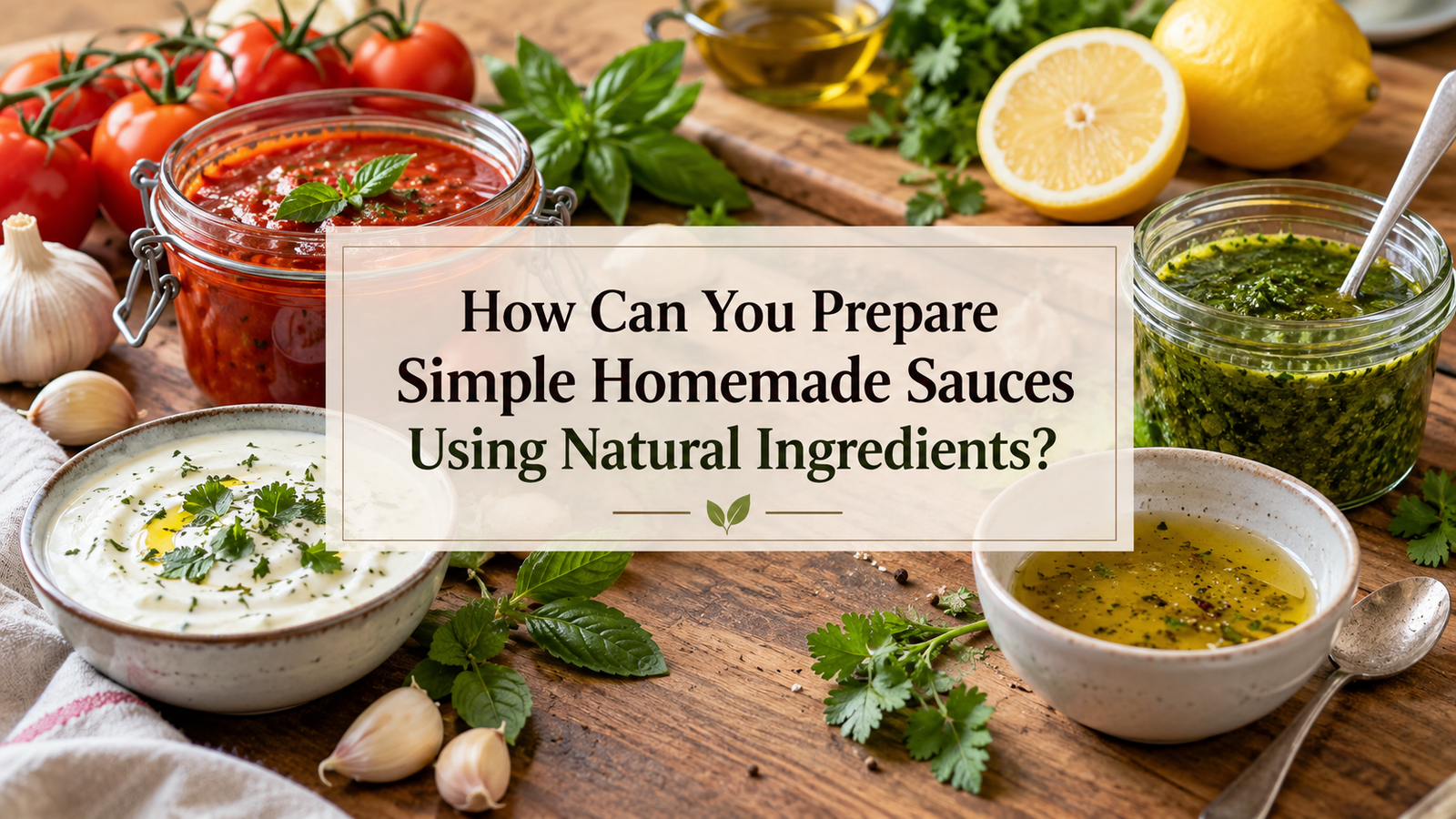
Homemade sauces are a wonderful way to improve the taste of everyday meals without depending too much on packaged products. A simple sauce can turn ordinary vegetables, rice, pasta, chicken, or sandwiches into something more enjoyable. The best part is that preparing sauces at home does not always require expensive ingredients or advanced cooking skills.
Many people believe that making sauces is difficult because they are familiar with the bottled varieties available in supermarkets. However, most homemade sauces can be prepared using common kitchen ingredients such as tomatoes, garlic, yogurt, lemon juice, fresh herbs, and olive oil.
When I started learning about simple homemade sauces, I realized that understanding a few basic ingredients makes cooking much easier. Instead of following complicated recipes, it is often possible to create delicious combinations by balancing different flavors.
In this article, we will explore how to prepare simple homemade sauces using natural ingredients, understand their benefits, and learn practical techniques for improving their taste and texture.
Why Should You Prepare Homemade Sauces?
Preparing homemade sauces offers several advantages. One important benefit is having greater control over the ingredients used in your food.
Commercial sauces may contain added sugar, salt, preservatives, or other ingredients that are not necessary for every homemade recipe. Making sauces yourself allows you to decide how much salt, oil, and sweetness to include.
Fresh homemade sauces can also provide flavors that are difficult to achieve with packaged products.
For example, a tomato sauce prepared with fresh tomatoes, garlic, and basil has a different aroma from many bottled tomato sauces. Similarly, homemade yogurt sauce can have a refreshing taste when prepared with lemon juice and fresh herbs.
Another advantage is flexibility. You can adjust the thickness, acidity, and seasoning according to your personal preferences.
Homemade sauces can also help reduce food waste. Ripe tomatoes, leftover herbs, and small amounts of yogurt can often be used to prepare flavorful sauces instead of being discarded.
What Natural Ingredients Are Best for Homemade Sauces?
Before preparing homemade sauces, it is useful to understand the ingredients that contribute to their flavor and consistency.
1. Fresh Tomatoes
Tomatoes are among the most useful ingredients for making sauces at home.
They provide natural moisture, mild acidity, and a rich flavor that works well with pasta, vegetables, chicken, and rice.
Ripe tomatoes are particularly suitable because they usually contain more developed sweetness and flavor.
2. Garlic
Garlic adds a strong aroma and savory flavor to homemade sauces.
It can be used raw, roasted, or lightly cooked depending on the recipe.
Raw garlic creates a sharper taste, while cooked garlic generally develops a softer flavor.
3. Fresh Herbs
Herbs such as coriander, mint, parsley, and basil can make homemade sauces more refreshing.
They are especially useful in yogurt sauces, green chutneys, and tomato sauces.
Fresh herbs can also reduce the need for excessive seasoning by contributing their own natural aromas.
4. Lemon Juice
Lemon juice adds acidity and brightness to sauces.
A small amount can help balance rich ingredients such as yogurt, oil, or nuts.
Fresh lemon juice is particularly useful for preparing salad dressings and herb sauces.
5. Plain Yogurt
Plain yogurt provides a creamy texture without requiring large amounts of oil.
It works well with cucumber, garlic, mint, and other fresh ingredients.
For thicker sauces, strained yogurt can be used.
6. Natural Oils
Olive oil and other suitable cooking oils help combine ingredients and create a smooth texture.
However, many homemade sauces require only a small quantity of oil, while some do not need any added oil at all.
How Can You Make Fresh Tomato Sauce at Home?
Fresh tomato sauce is one of the easiest sauces to prepare using natural ingredients.
It can be served with pasta, rice, cooked vegetables, and different meat dishes.
Ingredients
- 4 medium ripe tomatoes
- 2 garlic cloves
- 1 small onion
- 1 tablespoon olive oil
- 1 tablespoon chopped fresh basil
- A small amount of salt
- Black pepper according to taste
Preparation Method
First, wash the tomatoes thoroughly and cut them into small pieces.
Peel and finely chop the onion and garlic.
Heat olive oil in a saucepan over medium heat. Add the chopped onion and cook until it becomes soft.
Next, add the garlic and stir gently for about 30 seconds.
Add the chopped tomatoes and mix everything together.
Allow the mixture to cook for approximately 15 to 20 minutes, stirring occasionally.
As the tomatoes soften, press them gently with a spoon to create a smoother consistency.
Add basil, salt, and black pepper near the end of cooking.
For a smoother sauce, carefully blend the mixture using a suitable blender.
This simple homemade tomato sauce is useful for several meals and can be adjusted according to personal taste.
How Can You Prepare a Healthy Yogurt Garlic Sauce?
Yogurt garlic sauce is a refreshing option for grilled chicken, roasted vegetables, sandwiches, and homemade wraps.
It requires very little preparation and does not need cooking.
Ingredients
- 1 cup plain yogurt
- 1 small garlic clove, finely crushed
- 1 tablespoon fresh lemon juice
- 1 tablespoon chopped mint
- A pinch of salt
- A small amount of black pepper
Preparation Method
Place the plain yogurt in a clean mixing bowl.
Add the crushed garlic and lemon juice.
Mix thoroughly until the ingredients are evenly combined.
Next, add fresh mint, salt, and black pepper.
Stir again and taste the sauce.
If the garlic flavor is too strong, add a little more yogurt.
Refrigerate the sauce promptly in a covered container until serving.
The result is a creamy homemade sauce that complements many everyday dishes.
Using plain yogurt also allows you to choose a product without added sugar.
How Can You Make a Simple Green Herb Sauce?
Green herb sauce is an excellent choice for people who enjoy fresh and slightly tangy flavors.
It can be used as a dipping sauce, sandwich spread, or accompaniment for grilled vegetables.
Ingredients
- 1 cup fresh coriander leaves
- ½ cup fresh mint leaves
- 2 tablespoons lemon juice
- 1 small garlic clove
- 3 tablespoons water
- A pinch of salt
- 1 small green chili, optional
Preparation Method
Wash the coriander and mint leaves carefully under running water.
Place the leaves in a blender along with the garlic, lemon juice, water, and salt.
Add green chili if you prefer a spicy flavor.
Blend the ingredients until they form a smooth mixture.
If the sauce is too thick, add another tablespoon of water.
Taste the sauce and adjust the lemon juice or salt if necessary.
This homemade green sauce works particularly well with sandwiches, cooked potatoes, rice, and grilled foods.
It is also an easy way to use fresh herbs before they lose their quality.
How Can You Prepare Homemade Honey Mustard Sauce?
Honey mustard sauce combines sweetness with a slightly sharp flavor.
It is commonly enjoyed with chicken, sandwiches, salads, and roasted vegetables.
Making it at home is simple when you use a short list of ingredients.
Ingredients
- 2 tablespoons prepared mustard
- 1 tablespoon honey
- 2 tablespoons plain yogurt
- 1 teaspoon lemon juice
- A small pinch of black pepper
Preparation Method
Add the mustard, honey, and yogurt to a small mixing bowl.
Stir until the ingredients are completely combined.
Add lemon juice and black pepper.
Mix again and taste the sauce.
If you prefer a sweeter flavor, add a little more honey. For a sharper taste, increase the mustard slightly.
Although honey is a natural ingredient, it still contributes added sugar, so it is sensible to use moderate amounts.
For a simple ingredient list, select prepared mustard without unnecessary flavoring additions.

How Can You Make a Natural Lemon Dressing?
Lemon dressing is one of the quickest homemade sauces to prepare.
It is especially suitable for salads, steamed vegetables, grilled fish, and grain bowls.
Ingredients
- 2 tablespoons fresh lemon juice
- 3 tablespoons olive oil
- 1 small garlic clove, minced
- ½ teaspoon dried oregano
- A pinch of salt
- Black pepper according to taste
Preparation Method
Pour the lemon juice and olive oil into a small bowl or clean jar.
Add minced garlic, oregano, salt, and black pepper.
Whisk the ingredients together or close the jar and shake it well.
The oil and lemon juice will temporarily combine to form a smooth dressing.
Taste and adjust the seasoning.
If the dressing seems too acidic, add a little more olive oil.
This dressing can be prepared in minutes and works well with fresh vegetables.
What Is the Secret to Making Homemade Sauces Taste Better?
The quality of homemade sauces depends on more than simply mixing ingredients.
Understanding flavor balance can make a noticeable difference.
Balance acidity and sweetness. Tomatoes and lemon juice contribute acidity, while ingredients such as honey and ripe vegetables provide sweetness. A good sauce should not allow one flavor to overpower everything else.
Use fresh ingredients whenever possible. Fresh garlic, herbs, and ripe vegetables often create stronger and more pleasant aromas.
Add seasonings gradually. Too much salt or chili can make a sauce difficult to correct. Begin with small amounts and adjust after tasting.
Pay attention to texture. Some sauces are better when smooth and creamy, while others taste more interesting with small pieces of vegetables or herbs.
Allow flavors to combine. Certain sauces, especially yogurt and herb mixtures, can develop a more balanced taste after a short period in the refrigerator.
These basic techniques can improve almost any homemade sauce recipe.
How Can You Make Homemade Sauces Without Too Much Oil?
Many traditional sauces contain generous quantities of oil, but delicious sauces can also be prepared with smaller amounts.
One useful method is replacing part of the oil with plain yogurt.
Yogurt creates a creamy texture while contributing protein and a slightly tangy taste.
Another option is using blended vegetables.
Cooked tomatoes, roasted bell peppers, and pumpkin can provide body and moisture without requiring large amounts of fat.
Water or unsalted vegetable stock can also help adjust the thickness of certain sauces.
For example, a green herb sauce can be blended with lemon juice and a little water rather than oil.
However, some oil can improve mouthfeel and help carry flavors, so the goal does not have to be removing it completely.
How Should You Store Homemade Sauces Safely?
Proper storage is important because homemade sauces often contain fresh ingredients and may not include commercial preservatives.
Always prepare sauces using clean utensils and containers.
Transfer sauces into food safe containers with properly fitting lids.
Refrigerate perishable sauces promptly at 4°C or below.
As a general rule, avoid leaving perishable sauces at room temperature for more than two hours, or one hour when temperatures exceed 32°C.
Sauces containing fresh yogurt, garlic, or herbs are best prepared in small batches and consumed promptly.
A practical approach for many fresh yogurt and herb sauces is to use them within one to two days, unless a reliable recipe provides a validated longer storage period.
Cooked tomato sauces can often be refrigerated for three to four days when they have been handled and chilled safely.
Freezing is another option for suitable cooked sauces.
Divide larger batches into smaller containers so that only the required quantity needs to be thawed.
Always discard a sauce if storage conditions have been unsafe. Harmful microorganisms do not always produce an unpleasant smell or visible changes.
What Common Mistakes Should You Avoid When Making Sauces?
One common mistake is using too many ingredients.
A sauce containing several competing herbs, spices, and seasonings may lose its original character.
Starting with a few complementary ingredients usually produces a clearer flavor.
Another mistake is cooking garlic over excessive heat.
Garlic can burn quickly and develop a bitter taste. Cooking it gently helps preserve its pleasant aroma.
Adding too much liquid is another common problem.
Extra water can make a sauce thin and reduce the intensity of its flavor. It is better to add liquid gradually.
Using unripe tomatoes may also affect the final taste because they can be more acidic and less flavorful than ripe tomatoes.
Finally, avoid repeatedly dipping used spoons into stored sauces. This can introduce microorganisms and reduce their storage life.
How Can Homemade Sauces Improve Everyday Meals?
Homemade sauces can make simple meals more interesting without requiring complicated cooking methods.
A spoonful of fresh tomato sauce can improve the flavor of plain pasta.
Yogurt garlic sauce can add creaminess to grilled chicken and vegetables.
Green herb sauce can bring freshness to sandwiches and rice dishes.
Lemon dressing can make a basic salad more enjoyable.
Homemade sauces are also useful for meal planning.
For example, preparing one small batch of tomato sauce can provide a base for different meals during the following days, provided it is stored safely.
Learning several basic sauce recipes can therefore save preparation time and introduce greater variety into everyday cooking.
Frequently Asked Questions
Can homemade sauces be prepared without preservatives?
Yes. Many fresh homemade sauces can be prepared without added preservatives. However, they still require proper refrigeration, safe handling, and timely consumption.
Which homemade sauce is easiest for beginners?
Yogurt garlic sauce and lemon dressing are among the easiest options because they require only a few ingredients and no cooking.
Can homemade sauces be made without a blender?
Yes. A knife, fork, whisk, or spoon is sufficient for many recipes. Cooked tomato sauces can also be mashed to create a slightly chunky texture.
Are homemade sauces always healthier than packaged sauces?
Not necessarily. Their nutritional value depends on the ingredients and quantities used. Homemade preparation makes it easier to control sugar, salt, and oil, but portion sizes still matter.
Can homemade sauces be frozen?
Many cooked vegetable sauces, including tomato sauce, freeze well. Yogurt based sauces may separate or change texture after freezing, so they are generally better prepared fresh.
Conclusion
Learning how to prepare simple homemade sauces using natural ingredients is a practical skill that can improve everyday cooking.
With basic ingredients such as tomatoes, garlic, yogurt, lemon juice, and fresh herbs, it is possible to create flavorful sauces without relying entirely on commercially prepared products.
The most important part of making good homemade sauces is understanding how ingredients work together. Freshness, balanced seasoning, suitable texture, and safe storage all contribute to better results.
Start with one or two simple recipes and gradually experiment with different ingredients. As you become more comfortable, you can adjust each sauce according to your preferred taste and the meals you prepare.
Homemade sauces do not need to be complicated. Sometimes, a few fresh ingredients and a little attention are enough to make an ordinary meal more satisfying.


