
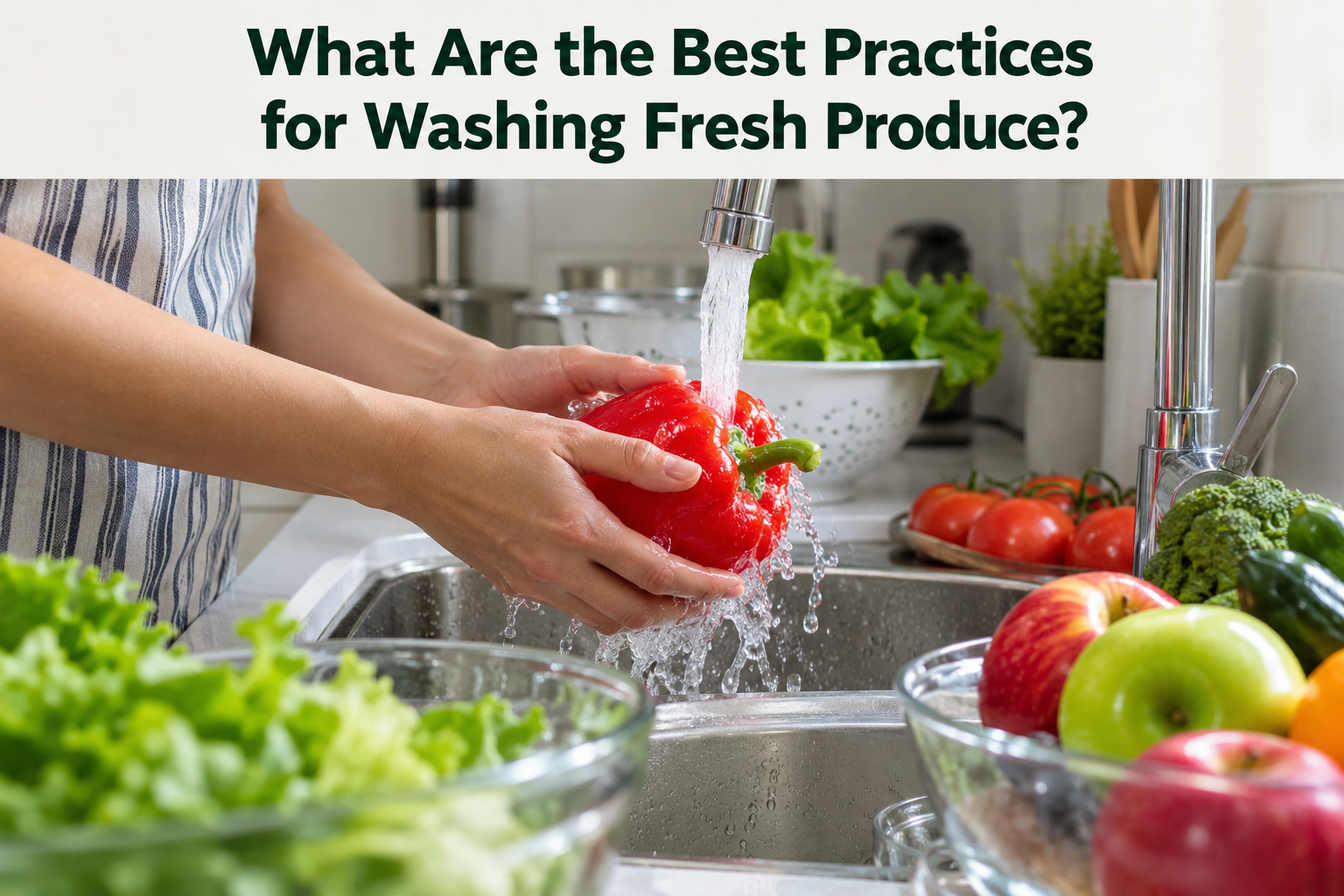
Fresh fruits and vegetables are an important part of a healthy diet. They provide essential vitamins, minerals, fiber, and other nutrients that support overall health. However, fresh produce may also carry dirt, harmful bacteria, and other unwanted substances. This is why understanding the best practices for washing fresh produce is important for everyone who prepares food at home.
Many people believe that rinsing fruits and vegetables quickly under water is enough to make them completely safe. While rinsing is an important step, proper produce cleaning involves several other habits. Clean hands, safe kitchen surfaces, suitable washing methods, and careful storage all contribute to food safety.
Learning how to wash fresh produce properly does not require expensive cleaning products or complicated equipment. With a few simple practices, families can reduce the risk of food contamination and enjoy fresh produce with greater confidence.
Why Is Washing Fresh Produce Important?
Fresh fruits and vegetables travel through several stages before reaching our kitchens. They are grown, harvested, packed, transported, displayed, and handled by different people.
During these stages, produce can come into contact with soil, dust, irrigation water, insects, and contaminated surfaces. Harmful microorganisms may also reach fruits and vegetables during growing, processing, or transportation.
Washing fresh produce helps remove visible dirt and can reduce some microorganisms present on the surface.
However, washing cannot guarantee the complete removal of every harmful microorganism. It is one important part of safe food handling rather than a substitute for proper storage and preparation.
By making produce washing a regular kitchen habit, people can improve everyday food hygiene.
1. Wash Your Hands Before Handling Fresh Produce
One of the most important steps in washing fresh produce begins before touching the fruits or vegetables.
Our hands regularly come into contact with phones, money, door handles, kitchen equipment, and other surfaces. These objects may carry microorganisms that can transfer to food.
Before preparing fresh produce, wash your hands thoroughly with soap and running water for at least 20 seconds.
Pay attention to the areas between your fingers, around your nails, and the backs of your hands.
Dry your hands with a clean towel or disposable paper towel.
This simple practice helps prevent the transfer of germs from your hands to food.
Handwashing is especially important after handling raw meat, using the bathroom, touching pets, or cleaning kitchen surfaces.
2. Use Clean Running Water to Wash Fruits and Vegetables
Clean running water is generally the best option for washing most fresh fruits and vegetables.
Place the produce under a gentle stream of cool, safe drinking water and rub its surface carefully with your hands.
Running water helps carry away loose dirt and some microorganisms.
Avoid washing produce in a sink filled with standing water because contaminants may spread between different items.
If you need to soak leafy vegetables to loosen soil, use a clean bowl with safe water. Drain the water and rinse the leaves afterward.
It is important to remember that ordinary water is usually sufficient for routine produce washing.
Soap, detergent, and household cleaning chemicals should not be used directly on fruits and vegetables.
3. Wash Produce Even When You Plan to Peel It
Some people assume that fruits and vegetables do not need washing if their skins will be removed.
However, this practice can increase the possibility of contamination.
For example, when cutting an unwashed melon, bacteria from its outer surface may transfer to the knife and then reach the edible flesh.
The same problem can occur when peeling cucumbers, carrots, mangoes, and other foods.
Always rinse produce before cutting or peeling it.
This helps reduce the possibility of transferring dirt and microorganisms from the outside to the inside.
Washing before peeling is a simple but valuable habit for improving kitchen hygiene.
4. Gently Rub Produce While Washing
Different fruits and vegetables require different cleaning methods.
Smooth produce, such as tomatoes, apples, and bell peppers, can be cleaned by gently rubbing the surface under running water.
This movement helps loosen dirt and other material that may be attached to the skin.
There is no need to apply excessive pressure because some fruits bruise easily.
For delicate foods, careful handling is especially important.
Strawberries, raspberries, grapes, and similar fruits should be rinsed gently to avoid damaging their surfaces.
Proper washing should remove surface dirt without unnecessarily affecting the quality of the produce.
5. Use a Clean Brush for Firm Fruits and Vegetables
Certain vegetables have rough or firm outer surfaces that can hold soil in small spaces.
Potatoes, carrots, cucumbers, and melons are examples of produce that may benefit from gentle scrubbing.
A clean vegetable brush can help remove stubborn dirt from these surfaces.
Hold the produce under running water and gently scrub the outer skin.
Avoid using excessive force that could damage the vegetable.
After cleaning, rinse the produce again if necessary.
Keep the vegetable brush clean and allow it to dry properly after use.
A dirty brush can introduce unwanted microorganisms instead of helping remove them.
For this reason, kitchen cleaning tools should receive the same attention as other food preparation equipment.
6. Wash Leafy Vegetables Carefully
Leafy vegetables require special attention because soil and debris can become trapped between their leaves.
Spinach, lettuce, cabbage, coriander, and similar vegetables often contain folds where dirt may collect.
Start by removing damaged or visibly dirty outer leaves.
Separate the remaining leaves when practical.
Rinse them thoroughly under safe running water.
For leafy vegetables with trapped soil, place the leaves in a clean bowl of water and gently move them around to loosen the dirt.
Lift the leaves out rather than pouring the dirty water back over them.
Finish with a rinse under running water.
Allow the leaves to drain before using them in salads or cooked meals.
Taking extra care with leafy vegetables can improve cleanliness and make them more pleasant to eat.
7. Avoid Washing Produce With Soap or Detergent
A common misunderstanding is that fruits and vegetables become safer when washed with soap or dishwashing liquid.
These products are designed for cleaning hands, dishes, or household surfaces rather than direct food contact.
Fruits and vegetables may absorb or retain residues from such cleaning products.
For this reason, food safety authorities recommend washing fresh produce with clean running water instead.
Household bleach, disinfectants, and chemical cleaners should never be applied to food unless a product is specifically approved and directed for that food use.
Special commercial produce washes are also generally unnecessary for household produce cleaning.
Using the correct washing method is more important than using stronger cleaning products.
8. Be Careful When Washing Berries and Soft Fruits
Soft fruits require a gentler approach than firm vegetables.
Strawberries, blueberries, raspberries, and other berries may become damaged when handled roughly.
Place them in a clean colander and rinse carefully under cool running water.
Avoid powerful streams of water that can crush delicate fruit.
Remove visibly spoiled berries before serving.
For the best quality, wash most berries shortly before eating rather than long before storage.
Excess moisture can encourage faster spoilage during refrigeration.
After rinsing, allow the berries to drain and gently remove extra water with a clean paper towel when appropriate.
This method helps maintain freshness while reducing surface contamination.
9. Keep Kitchen Surfaces and Equipment Clean
Washing fresh produce is less effective when the surrounding kitchen environment is dirty.
Cutting boards, knives, countertops, and colanders can transfer microorganisms onto freshly washed food.
Before preparing fruits and vegetables, make sure all equipment is properly cleaned.
Wash cutting boards and utensils with warm water and dish soap after use.
Pay particular attention to equipment previously used for raw meat, poultry, or seafood.
These foods can carry microorganisms that should not come into contact with ready to eat fruits and vegetables.
Whenever possible, use separate cutting boards for raw animal products and fresh produce.
Clean kitchen equipment supports the benefits of proper produce washing.
10. Dry Fruits and Vegetables After Washing
Drying is another useful step in the process of preparing fresh produce.
After washing fruits and vegetables, gently dry them with a clean cloth or disposable paper towel.
Removing excess moisture can help reduce some remaining surface bacteria and make produce easier to handle.
Drying is particularly helpful when preparing salads because wet leaves can make the dressing watery.
For leafy vegetables, a clean salad spinner can remove excess water without damaging delicate leaves.
Always make sure that towels and drying equipment are clean.
Avoid using kitchen cloths that have previously been used to wipe dirty counters or clean up raw meat juices.
11. Store Washed Produce Properly
Proper storage is just as important as washing.
Many fruits and vegetables lose freshness more quickly when stored with unnecessary moisture.
For this reason, it is often better to wash produce shortly before preparation or consumption.
If you wash produce in advance, dry it thoroughly and store it according to its specific needs.
Keep perishable fruits and vegetables in a clean refrigerator at 4°C (40°F) or below.
Cut fruits, prepared salads, and peeled vegetables should be refrigerated promptly, generally within two hours.
During very hot weather, when temperatures exceed 32°C (90°F), refrigerate perishable prepared produce within one hour.
Keep fresh produce separate from raw meat, poultry, and seafood to prevent contamination.
These storage habits help preserve freshness and reduce food safety risks.
12. Understand When Prewashed Produce Needs Cleaning
Many supermarkets sell packaged lettuce, spinach, and salad mixtures labeled as prewashed or ready to eat.
These products are generally processed and washed before packaging.
If the packaging clearly states that the produce is ready to eat or has been prewashed, additional washing is usually unnecessary.
In fact, washing these products again in an unclean kitchen may introduce new contamination.
Always read the package instructions before using prepared vegetables.
If the package does not indicate that the product has been washed, rinse the produce thoroughly before eating.
Also check that refrigerated products have been stored at the correct temperature and that the packaging is not damaged.
13. Remove Damaged or Spoiled Areas Before Eating
Not every fruit or vegetable is suitable for consumption.
Fresh produce may develop bruises, cuts, mold, or other signs of deterioration.
Small bruised or damaged areas can sometimes be removed from otherwise sound produce before preparation.
However, fruits and vegetables showing clear signs of rotting should be discarded.
Do not assume that washing will make spoiled produce safe to eat.
For example, a tomato with extensive decay or a soft fruit covered in mold should not be served simply because it has been rinsed.
Checking produce carefully before washing helps maintain food quality and reduces unnecessary risks.
14. Avoid Common Mistakes When Washing Produce
Even people who regularly wash fruits and vegetables sometimes make mistakes.
One common mistake is using dishwashing detergent because it appears stronger than ordinary water.
Another is cutting fruit before washing its outer surface.
Using a dirty vegetable brush, preparing food on contaminated countertops, and storing wet produce improperly can also create problems.
Some people believe that vinegar, salt water, or baking soda can completely disinfect fruits and vegetables. These methods are not proven substitutes for safe running water and proper food handling.
Washing also cannot guarantee the removal of all pesticide residues or microorganisms.
Understanding these limitations helps people follow practical, evidence based cleaning habits rather than relying on unnecessary treatments.
15. Make Produce Washing Part of Your Daily Routine
The easiest way to improve food safety is to develop consistent kitchen habits.
Before preparing breakfast, lunch, or dinner, check whether the fruits and vegetables need cleaning.
Keep a clean colander, vegetable brush, and suitable drying materials available.
Teach children to wash apples, grapes, and other fresh fruits before eating them, with appropriate supervision.
When preparing salads, use clean hands and utensils throughout the process.
Fresh produce from home gardens should also be washed because naturally grown fruits and vegetables can still carry soil and harmful microorganisms.
Making these practices part of everyday food preparation can improve hygiene without adding unnecessary complexity.
Frequently Asked Questions
Is plain water enough to wash fresh produce?
Yes. Clean running water is recommended for routine washing of fresh fruits and vegetables. Gentle rubbing or scrubbing can help remove dirt and reduce some surface microorganisms. However, washing does not eliminate every food safety risk.
Should fruits and vegetables be washed before refrigeration?
Most produce is best washed shortly before use. Washing too early may leave excess moisture that encourages spoilage. If produce is washed before storage, dry it properly and refrigerate perishable items.
Can vinegar remove all bacteria from vegetables?
No. Vinegar cannot guarantee the elimination of harmful microorganisms. It should not replace washing produce with safe running water.
Do organic fruits and vegetables need washing?
Yes. Organic produce can also come into contact with soil, water, animals, and contaminated surfaces. It should be washed using the same safe methods as conventional produce.
Should packaged salad greens be washed again?
Products clearly labeled prewashed, triple washed, or ready to eat generally do not need another rinse. Follow the instructions provided on the packaging.
Conclusion
Understanding the best practices for washing fresh produce is an important part of maintaining a clean and healthy kitchen. Simple habits such as washing hands, rinsing fruits and vegetables under running water, using a clean brush for firm produce, and keeping kitchen equipment hygienic can help reduce contamination risks.
Different types of produce may require slightly different cleaning methods, but the main principle remains the same. Use safe water, handle food carefully, and avoid unnecessary cleaning chemicals.
Proper storage, careful inspection, and prevention of cross contamination are equally important.
By following these practical guidelines, families can enjoy fresh fruits and vegetables while making everyday food preparation safer and more hygienic.


