
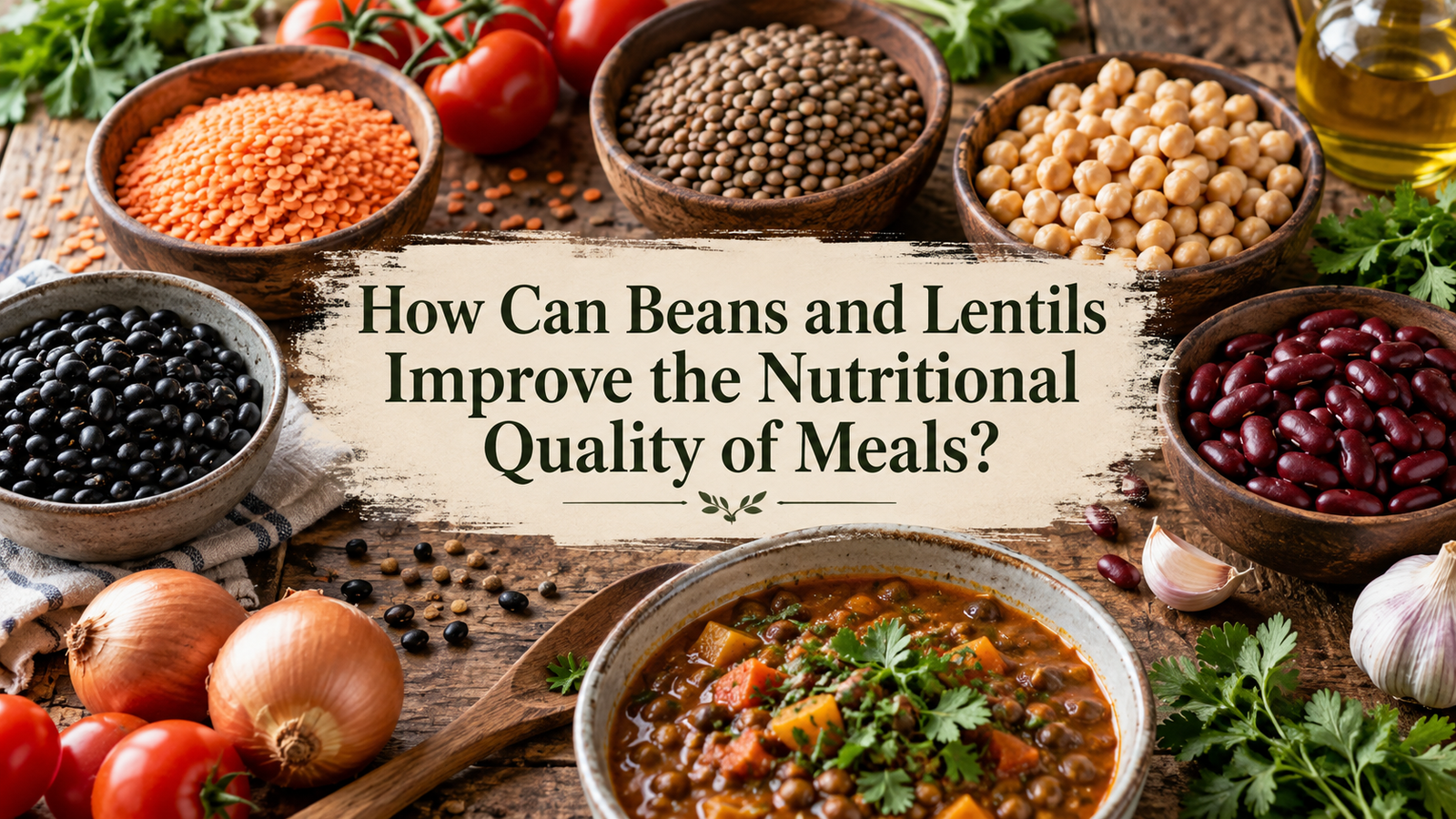
Eating a healthy and balanced diet does not always require expensive foods or complicated meal plans. Some of the most nutritious ingredients are simple foods that people have used in everyday cooking for generations. Beans and lentils are excellent examples. They are affordable, widely available, easy to prepare, and rich in nutrients that help the body function properly.
Beans and lentils belong to a food group known as legumes. They provide plant protein, dietary fiber, vitamins, minerals, and complex carbohydrates. These nutrients make them valuable additions to breakfast, lunch, and dinner.
One of the most important benefits of beans and lentils is their ability to improve the nutritional quality of ordinary meals. Adding a serving of lentils to vegetable soup or including beans in a rice dish can increase its protein and fiber content without making the recipe difficult or expensive.
Understanding the nutritional benefits of beans and lentils can help individuals and families make better food choices while enjoying familiar meals.
What Makes Beans and Lentils Nutritious Foods?
Beans and lentils contain several important nutrients that support everyday health. Although their nutritional composition varies depending on the variety and preparation method, most provide meaningful amounts of protein, fiber, carbohydrates, folate, iron, potassium, and magnesium.
Protein is important for maintaining muscles and repairing body tissues. Fiber supports digestion and helps people feel satisfied after eating. Complex carbohydrates supply energy for daily activities.
Lentils are particularly known for their folate content. Folate is a B vitamin involved in normal cell growth and the formation of healthy red blood cells.
Beans also provide minerals such as potassium and magnesium, which contribute to normal muscle and nerve function.
Another advantage is that most plain cooked beans and lentils are naturally low in saturated fat. This makes them useful ingredients when preparing meals that emphasize nutritious plant foods.
How Beans and Lentils Improve Protein Intake
Protein is an essential nutrient required for the growth, maintenance, and repair of body tissues. Many people associate protein mainly with meat, fish, eggs, and dairy products. However, beans and lentils also provide valuable amounts of plant protein.
A cup of cooked lentils contains approximately 18 grams of protein, although the exact amount depends on the variety and serving size.
Including lentils in a vegetable curry or adding beans to a salad can significantly improve the protein content of the meal.
For families trying to reduce their dependence on expensive animal protein sources, beans and lentils offer an affordable alternative.
Plant proteins from legumes also work well alongside foods such as whole grains, nuts, and seeds. Eating a variety of plant foods throughout the day helps provide the essential amino acids the body requires.
Beans and lentils do not need to replace animal foods completely. They can simply become regular ingredients in a varied and balanced diet.
The Importance of Dietary Fiber in Beans and Lentils
One of the strongest nutritional advantages of beans and lentils is their high dietary fiber content.
Fiber is a type of carbohydrate that the body cannot fully digest. Instead of being broken down like ordinary carbohydrates, it passes through the digestive system and supports several important functions.
Beans and lentils contain both soluble and insoluble fiber.
Soluble fiber can help lower LDL cholesterol when consumed as part of a healthy diet. It also slows the digestion and absorption of some nutrients.
Insoluble fiber adds bulk to stools and supports regular bowel movements.
Adding beans or lentils to meals can help people increase their daily fiber intake, particularly if their usual diet contains too many refined grains and too few vegetables.
However, people who are not accustomed to eating legumes should increase their portions gradually. Drinking enough water and cooking legumes thoroughly may also help improve digestive comfort.
How Beans and Lentils Support Digestive Health
A healthy digestive system plays an important role in overall well being. Food choices can influence bowel regularity, digestive comfort, and the activity of beneficial intestinal bacteria.
Beans and lentils contain fiber and certain carbohydrates that can be fermented by bacteria in the large intestine.
This fermentation produces substances called short chain fatty acids, which contribute to normal intestinal function.
Regularly including fiber rich foods in meals can help support a diverse and healthy gut environment.
For example, a lunch containing lentil soup, whole grain bread, and vegetables provides several sources of dietary fiber.
Some people experience gas or bloating after eating beans. This happens partly because intestinal bacteria ferment carbohydrates that are not fully digested in the small intestine.
Soaking dried beans, discarding the soaking water, rinsing canned beans, and beginning with smaller portions may help reduce discomfort.
Can Beans and Lentils Support Healthy Weight Management?
Beans and lentils can be useful in a balanced eating plan for maintaining a healthy body weight.
Their combination of protein and fiber contributes to fullness, which may help individuals manage hunger between meals.
For example, a bowl of lentil soup containing vegetables may feel more satisfying than a meal consisting mainly of refined carbohydrates.
Fiber increases the volume of food, while protein plays a role in appetite regulation.
However, beans and lentils do not automatically cause weight loss. Total food intake, portion sizes, physical activity, and overall eating habits remain important.
Cooking methods also influence the nutritional quality of a meal.
Beans prepared with vegetables, herbs, and moderate amounts of oil are generally a more balanced choice than dishes containing excessive butter, cream, or added salt.
The most practical approach is to include legumes regularly while maintaining variety and appropriate portions.
How Beans and Lentils Help Maintain Steady Energy Levels
The body needs carbohydrates to provide energy for everyday activities. However, different carbohydrate rich foods affect digestion and blood glucose levels in different ways.
Beans and lentils contain complex carbohydrates along with protein and fiber.
These nutrients help slow digestion, meaning that carbohydrates are generally absorbed more gradually than those in many highly refined foods.
For example, eating lentils with rice and vegetables provides a mixture of carbohydrates, protein, and fiber.
This combination can create a more balanced meal than eating a large serving of plain white rice alone.
Beans and lentils also have relatively low glycemic index values compared with many refined carbohydrate foods.
Their effect on blood glucose still depends on portion size, preparation, and the other ingredients eaten with them.
People managing diabetes can include legumes in their meals while considering their total carbohydrate intake and individual dietary needs.
Important Vitamins Found in Beans and Lentils
Beans and lentils provide several B vitamins that contribute to normal body functions.
Folate is especially important because it supports DNA formation, cell division, and the production of healthy red blood cells.
Lentils and many beans are naturally good sources of this nutrient.
Thiamin, another B vitamin found in legumes, helps the body release energy from food and supports normal nervous system function.
Certain beans also contain smaller amounts of vitamin B6 and other B vitamins.
Although legumes provide useful nutrients, they do not naturally supply significant amounts of vitamin B12.
People following a completely plant based diet therefore need reliable sources of vitamin B12 from fortified foods or suitable supplements.
A varied diet remains important because no single food can provide every vitamin the body requires.
Minerals That Make Beans and Lentils Valuable
Minerals support many functions, including oxygen transport, muscle contraction, nerve signaling, and bone health.
Beans and lentils contain iron, magnesium, potassium, zinc, and phosphorus.
Iron is necessary for producing hemoglobin, a protein that carries oxygen in the blood. Lentils contain nonheme iron, which is the form of iron naturally found in plant foods.
The body generally absorbs nonheme iron less efficiently than iron from animal sources.
Eating lentils with vitamin C rich vegetables, such as tomatoes or bell peppers, can improve iron absorption.
Magnesium supports muscle and nerve function, while potassium helps maintain normal fluid balance and contributes to healthy blood pressure regulation.
Zinc is involved in immune function and normal cell growth.
Including legumes with vegetables and whole grains provides a wider range of these valuable minerals.
How Beans and Lentils Support Heart Health
Heart health is influenced by many factors, including diet, physical activity, smoking, sleep, and family history.
Beans and lentils can contribute to a heart healthy eating pattern because they provide fiber, potassium, and plant protein while generally containing little saturated fat.
Soluble fiber found in legumes may help reduce LDL cholesterol levels.
Replacing some processed meats with beans or lentils can also lower the saturated fat content of meals.
For example, a vegetable and bean stew may be a nutritious alternative to a meal containing heavily processed meat.
Potassium contributes to normal blood pressure regulation, although individuals with kidney conditions may need personalized guidance about potassium intake.
The overall quality of the diet matters more than any single ingredient. Legumes work particularly well alongside vegetables, fruits, whole grains, and unsaturated fats.
Different Types of Beans and Lentils
One reason beans and lentils are useful in everyday cooking is the variety available.
Different types offer slightly different textures, flavors, and nutritional characteristics.
Red lentils cook relatively quickly and become soft, making them suitable for soups, curries, and thick dishes.
Brown lentils maintain more texture when cooked and work well in salads, stews, and vegetable recipes.
Green lentils have a firmer texture and a slightly earthy flavor.
Chickpeas are popular in salads, curries, soups, and homemade hummus.
Kidney beans are commonly used in rice dishes, vegetable stews, and chili recipes.
Black beans can be added to salads, grain bowls, and vegetable fillings.
White beans have a mild taste and are suitable for soups and mashed bean spreads.
Using different varieties makes meals more interesting and helps maintain dietary diversity.
Combining Beans and Lentils With Other Healthy Foods
The nutritional quality of a meal depends on how different ingredients work together.
Beans and lentils can be combined with vegetables, whole grains, and healthy fats to create balanced dishes.
For example, lentils served with brown rice and cooked vegetables provide plant protein, fiber, carbohydrates, vitamins, and minerals.
A chickpea salad containing cucumber, tomatoes, carrots, and olive oil offers a variety of nutrients.
Beans can also be added to vegetable soups to increase protein and make the meal more filling.
Pairing legumes with foods rich in vitamin C may improve the absorption of plant based iron.
Combining different food groups is a practical way to build nutritious meals without relying on expensive ingredients or complicated recipes.
Affordable Nutrition for Families
Food prices can make healthy eating difficult for many households. Beans and lentils offer an economical way to improve meal quality.
Dried legumes are often affordable, can be stored for long periods under suitable conditions, and provide multiple servings from a relatively small quantity.
They are also versatile enough to be included in many traditional recipes.
In Pakistan and other South Asian countries, lentil dishes such as daal are already familiar parts of everyday meals.
Adding vegetables to daal, serving chickpeas with salads, or combining beans with rice can increase dietary variety without greatly increasing household food expenses.
Families can also cook larger batches and store portions safely for later meals.
This combination of affordability, convenience, and nutritional value makes legumes particularly useful for regular home cooking.
Healthy Ways to Prepare Beans and Lentils
Preparation methods influence both the safety and nutritional quality of legumes.
Dried beans should be sorted, washed, soaked when appropriate, and cooked thoroughly.
Kidney beans require particular care because raw or undercooked kidney beans contain a natural toxin called phytohaemagglutinin. They should be boiled vigorously for at least 10 minutes, with longer boiling commonly recommended, before further cooking. A slow cooker alone may not reach a sufficiently high temperature.
Lentils generally cook more quickly than dried beans and usually do not require overnight soaking.
Using onions, garlic, tomatoes, herbs, and spices can improve flavor without relying on excessive salt.
Canned beans are convenient, but choosing varieties with no added salt or rinsing them before use can help reduce sodium intake.
Cooked legumes should be refrigerated promptly and stored in suitable containers.
Simple cooking practices help preserve their usefulness as healthy everyday ingredients.
Practical Ways to Include Beans and Lentils in Daily Meals
Improving meal nutrition does not require changing every eating habit at once.
A person can begin by adding lentils or beans to one or two familiar dishes each week.
For breakfast, mashed beans can be served with whole grain toast and fresh vegetables.
For lunch, lentil curry can be paired with whole wheat roti and a vegetable salad.
For dinner, chickpeas or kidney beans can be included in vegetable stews, rice dishes, or soups.
Cooked lentils can also be mixed into homemade patties or used as a filling for wraps.
The goal is to make nutritious eating convenient and enjoyable.
Small improvements repeated consistently can contribute to better overall dietary quality.
Frequently Asked Questions
Is It Healthy to Eat Beans and Lentils Every Day?
Yes. Most healthy people can enjoy properly cooked beans and lentils daily as part of a balanced diet. Portions should reflect individual energy needs and digestive tolerance.
Are Lentils Better Than Beans?
Both are nutritious choices. Lentils often cook faster, while different beans provide slightly different amounts of protein, fiber, and minerals. Variety is more important than choosing only one type.
Can Beans and Lentils Replace Meat?
Beans and lentils can replace meat in many recipes and provide valuable plant protein. However, people who avoid all animal foods need to pay particular attention to nutrients such as vitamin B12.
Do Beans and Lentils Cause Digestive Problems?
Some people experience temporary gas or bloating, especially when increasing fiber intake quickly. Gradually increasing portions, soaking suitable beans, and cooking them thoroughly may improve tolerance.
Conclusion
Beans and lentils are among the most practical foods for improving the nutritional quality of everyday meals. They provide plant protein, dietary fiber, complex carbohydrates, vitamins, and essential minerals that support normal body functions.
Their nutritional benefits extend beyond individual nutrients. When combined with vegetables, whole grains, and healthy fats, they help create satisfying and balanced meals.
Beans and lentils are also affordable, versatile, and suitable for many traditional and modern recipes. Whether included in soups, curries, salads, or rice dishes, they provide an easy way to make ordinary food more nutritious.
Developing the habit of eating beans and lentils regularly is a simple and sustainable step toward a healthier and more varied diet.


