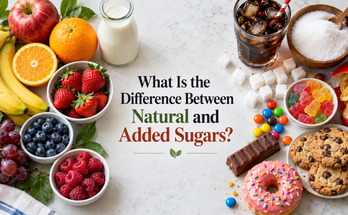
Food provides the energy our bodies need to perform everyday activities. However, different foods affect blood sugar levels in different ways. Some carbohydrates are digested quickly and cause blood sugar to rise rapidly, while others are digested more slowly and produce a gradual increase. Understanding these differences can help people make better food choices.
The glycemic index is a nutritional measurement that explains how carbohydrate containing foods affect blood glucose levels. It is commonly used in nutrition education, diabetes management, and healthy eating plans.
Learning about the glycemic index does not mean avoiding carbohydrates completely. Instead, it helps us understand how different carbohydrate sources behave inside the body and how they can fit into a balanced diet.
What Is the Glycemic Index?
The glycemic index, commonly called GI, is a system used to classify carbohydrate containing foods according to how quickly they raise blood glucose levels after consumption.
The glycemic index uses a scale that compares the blood sugar response from a food with the response from a reference food, usually pure glucose. Glucose is assigned a glycemic index value of 100.
Foods that produce a rapid increase in blood glucose generally have higher GI values. Foods that produce a slower and smaller increase usually have lower values.
For example, some refined grain products have a relatively high glycemic index, while lentils and many beans have a lower glycemic index.
However, the glycemic index does not measure the overall nutritional quality of a food. It only describes a particular aspect of how its available carbohydrates affect blood glucose.
How Does the Glycemic Index Work in the Body?
When we eat carbohydrate containing foods, the digestive system breaks down many of their carbohydrates into simple sugars.
Glucose is absorbed into the bloodstream, where it becomes an important source of energy for body cells.
As blood glucose increases, the pancreas releases insulin. This hormone helps glucose enter many body cells and supports the regulation of blood sugar levels.
The speed and extent of this process depend partly on the type of carbohydrate consumed.
Foods with a high glycemic index tend to produce a faster rise in blood glucose under standardized testing conditions.
Foods with a low glycemic index generally result in a slower and more gradual increase.
However, the actual response also depends on portion size, food preparation, other foods consumed during the meal, and individual metabolism.
Understanding the Three Glycemic Index Categories
Nutrition researchers commonly divide foods into three categories according to their glycemic index values.
1. Low Glycemic Index Foods
Low GI foods have a glycemic index value of 55 or less.
These foods generally produce a slower increase in blood glucose compared with high GI foods containing the same amount of available carbohydrate.
Common examples include lentils, chickpeas, many beans, apples, pears, and plain yogurt.
Many low GI foods also contain valuable nutrients such as protein, fiber, vitamins, and minerals.
2. Medium Glycemic Index Foods
Medium GI foods have values between 56 and 69.
These foods produce a moderate blood glucose response during standardized testing.
Some varieties of rice, certain whole grain breads, and particular breakfast cereals fall into this category.
Their exact values depend on processing methods, ingredients, and cooking conditions.
3. High Glycemic Index Foods
High GI foods have values of 70 or above.
These foods typically produce a relatively rapid increase in blood glucose.
Examples may include white bread, some refined breakfast cereals, and certain potato preparations.
It is important to remember that a high GI value does not automatically make a food unhealthy.
The overall nutritional value and amount consumed also matter.
Why Is the Glycemic Index Important in Nutrition?
The glycemic index helps explain why two foods containing similar amounts of carbohydrates may affect blood sugar differently.
This knowledge is useful when planning meals that provide energy while supporting healthy blood glucose management.
For example, replacing some refined grain products with beans, lentils, or minimally processed grains may improve the nutritional quality of a meal.
Many foods with a lower glycemic index also contain fiber, which supports digestive health.
The glycemic index can therefore serve as one useful tool for understanding carbohydrate quality.
However, it works best when considered alongside the amount of carbohydrates, nutrient content, portion size, and overall eating pattern.
What Factors Affect the Glycemic Index of Foods?
The glycemic index of a food is influenced by several characteristics.
Understanding these factors explains why foods containing similar carbohydrates can have different GI values.
Fiber Content
Fiber can influence how quickly carbohydrates are digested and absorbed.
Soluble fiber, particularly certain viscous types, can slow digestion and glucose absorption.
Foods containing intact grains, beans, and lentils often produce a lower glycemic response than highly refined alternatives.
However, not every food containing large amounts of fiber has a low glycemic index.
Food Processing
Processing changes the physical structure of food.
Finely ground grains are generally easier for digestive enzymes to access than intact grains.
For example, bread made from finely milled flour may produce a higher glycemic response than intact cooked grains.
The processing method can therefore influence how quickly carbohydrates become available for absorption.
Cooking Methods
Cooking affects the structure and digestibility of starch.
As starch absorbs water and heats, it becomes easier for digestive enzymes to break down.
Cooking time and temperature can consequently affect the glycemic index.
For example, pasta cooked until firm often has a lower GI than pasta cooked until very soft.
Ripeness of Fruits
Fruit ripeness can influence the types and amounts of carbohydrates present.
As some fruits ripen, part of their starch converts into sugars.
This can change their glycemic response.
However, the effect varies among different fruits, and ripeness alone does not determine nutritional quality.
Protein and Fat Content
Protein and fat can influence how a complete meal affects blood glucose.
For example, eating carbohydrates with eggs, yogurt, nuts, or other protein sources may slow gastric emptying and alter the glucose response.
The glycemic index of an individual food does not fully predict the effect of a mixed meal.

What Is the Difference Between Glycemic Index and Glycemic Load?
Although glycemic index and glycemic load are related, they measure different things.
The glycemic index describes the relative blood glucose response to a standardized amount of available carbohydrate.
Glycemic load, or GL, considers both the glycemic index and the amount of available carbohydrate in a normal serving.
The formula is:
Glycemic Load = Glycemic Index × Available Carbohydrates in Grams ÷ 100
For example, watermelon has a relatively high glycemic index, but a typical serving contains a modest amount of available carbohydrate.
Its glycemic load can therefore be low.
This example shows why a high glycemic index does not always mean that a normal serving produces a large blood sugar response.
Glycemic load provides additional information about the expected impact of a particular serving.
How Is the Glycemic Index Used in Diabetes Management?
The glycemic index can help people with diabetes understand how different carbohydrate foods may affect blood glucose.
Choosing lower GI carbohydrates may improve blood glucose management for some individuals when combined with appropriate portion control and a balanced diet.
For example, replacing some refined carbohydrates with lentils, beans, or minimally processed grains may help reduce large increases in blood glucose after meals.
However, glycemic index values cannot predict an individual’s exact blood glucose response.
The amount of carbohydrate consumed, medication, physical activity, and individual health conditions also influence blood glucose levels.
People with diabetes should use the glycemic index as a supporting tool rather than a replacement for medical advice or individualized nutrition planning.
Can the Glycemic Index Help With Weight Management?
The glycemic index is sometimes used in weight management because certain lower GI foods may contribute to fullness and more gradual glucose changes.
However, a lower glycemic index does not automatically produce weight loss.
Weight management depends on several factors, including total energy intake, physical activity, sleep, food choices, and individual health.
For example, nuts may have a low glycemic impact but contain substantial calories.
Similarly, a food with a high glycemic index may still fit into a balanced eating plan.
Choosing nutritious foods, controlling portions, and maintaining consistent eating habits are generally more important than focusing exclusively on GI values.
How Can the Glycemic Index Help With Everyday Meal Planning?
Understanding the glycemic index can make meal planning more practical.
Instead of eliminating carbohydrates, people can select a variety of nutritious carbohydrate sources.
For breakfast, plain yogurt with oats and fruit can provide a combination of protein, fiber, and carbohydrates.
For lunch, lentils with vegetables and an appropriate portion of whole grain roti can form a balanced meal.
For dinner, beans, vegetables, and a moderate serving of rice may provide useful nutrients.
These combinations demonstrate that healthy eating involves the entire meal rather than the glycemic index of one ingredient.
Portion size and individual nutritional needs should still guide food choices.
What Are the Limitations of the Glycemic Index?
Although the glycemic index provides useful information, it has several limitations.
First, GI values are measured under standardized conditions and may differ between food varieties and laboratory studies.
Second, the index does not indicate how many carbohydrates are present in a normal serving.
Third, it does not measure protein, vitamins, minerals, or overall nutritional value.
Fourth, blood glucose responses can differ between individuals.
Finally, meals usually contain several ingredients, making their actual glycemic effects more complicated than those of individual foods.
For these reasons, the glycemic index should not be treated as a complete food rating system.
Is Every Low Glycemic Index Food Healthy?
A common misunderstanding is that every low GI food must be nutritious.
In reality, some foods containing considerable amounts of fat or added sugar may still have relatively low glycemic index values.
Ice cream, for example, can have a moderate or relatively low GI despite containing added sugar and saturated fat.
Meanwhile, nutritious foods such as certain fruits and potatoes may have higher GI values.
This shows why glycemic index alone cannot determine whether a food belongs in a healthy diet.
A better approach considers nutrient density, food variety, serving size, and the amount of processing.
Practical Ways to Use the Glycemic Index
People can apply glycemic index knowledge without following complicated food rules.
One practical approach is to choose whole or minimally processed carbohydrate foods more frequently.
Beans and lentils can replace some refined carbohydrate sources in everyday meals.
Including vegetables alongside grains helps improve meal variety and nutritional balance.
Combining carbohydrates with protein sources can also support balanced meals.
Whole fruits are generally preferable to fruit juices because they provide fiber and require more chewing.
It is equally important to pay attention to portions, especially when consuming carbohydrate rich foods.
These habits help make nutritional decisions more sustainable without requiring people to calculate the glycemic index of every meal.
Frequently Asked Questions About the Glycemic Index
Does a low glycemic index mean a food contains less sugar?
Not necessarily. The glycemic index describes the blood glucose response to carbohydrates, not simply the amount of sugar present in a food.
Is brown rice always lower in GI than white rice?
No. Glycemic index values depend on the rice variety, starch composition, processing, and cooking method. Some white rice varieties have lower GI values than certain brown rice varieties.
Can healthy people benefit from understanding the glycemic index?
Yes. It can help people understand carbohydrate digestion and compare food choices, although healthy individuals do not generally need to track GI values closely.
Should high GI foods be avoided completely?
No. High GI foods can fit into a balanced diet. Portion size, nutritional value, personal needs, and the complete meal should guide decisions.
Conclusion
The glycemic index is a useful nutritional tool that explains how carbohydrate containing foods affect blood glucose levels. By classifying foods into low, medium, and high GI categories, it provides insight into differences in carbohydrate digestion and absorption.
Understanding the glycemic index can support informed food choices, especially for people interested in blood sugar management and balanced meal planning.
However, GI values should never be the only consideration when choosing foods. Nutrient content, portion size, glycemic load, food preparation, and overall dietary habits are equally important.
The most practical approach is to build meals around a variety of vegetables, fruits, legumes, whole grains, and suitable protein sources. When used alongside these basic nutrition principles, the glycemic index can help people develop a better understanding of how food supports everyday health.