
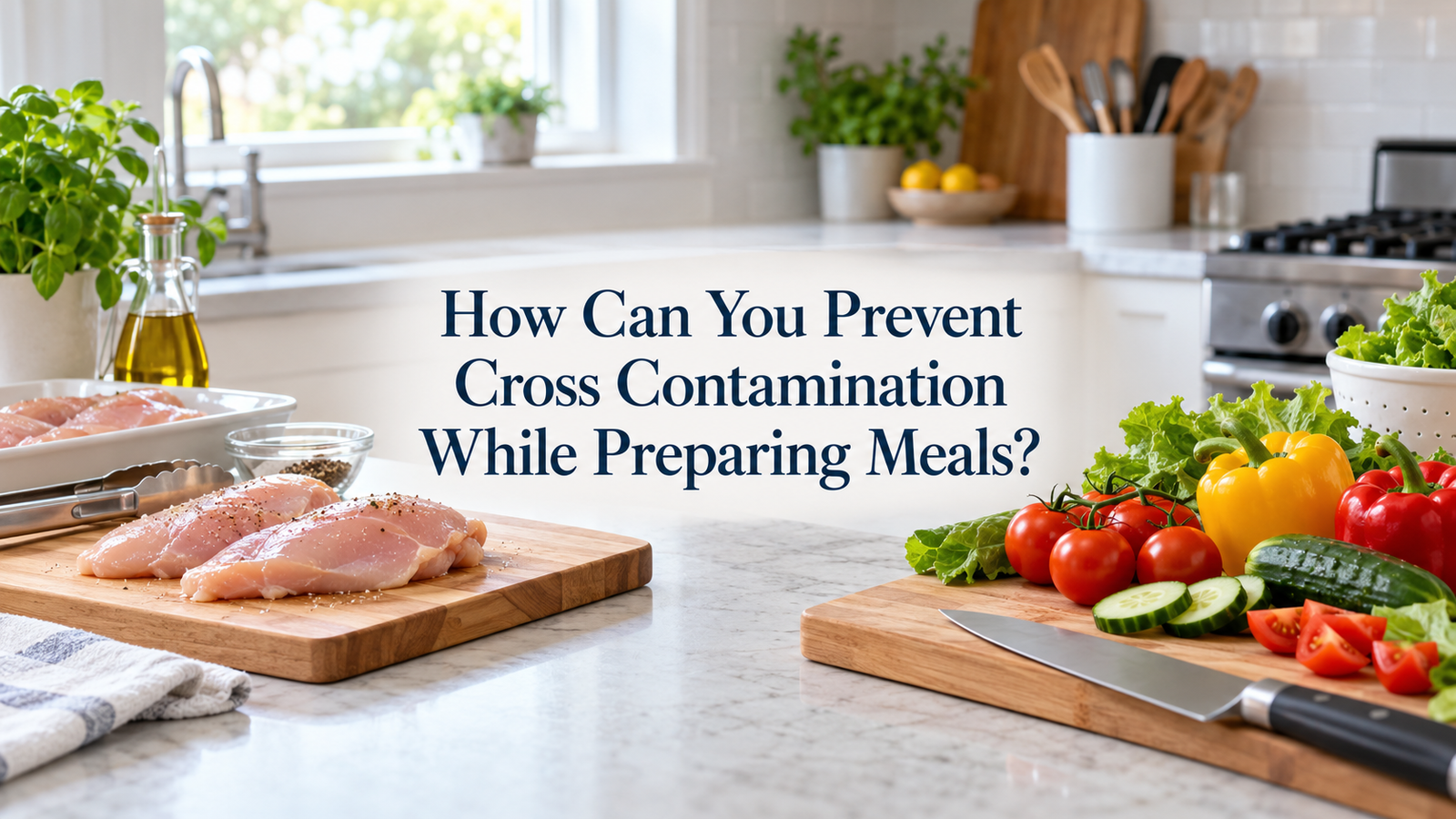
Preparing meals at home is an important part of maintaining a healthy lifestyle. Most people pay attention to the freshness of ingredients, cooking methods, and nutritional value of food. However, one important aspect of food safety is often overlooked. That is cross contamination.
Cross contamination happens when harmful bacteria, viruses, allergens, or other unwanted substances move from one food, surface, or object to another. It can occur during everyday cooking activities, sometimes without anyone noticing. For example, cutting raw chicken on a board and then using the same board to prepare fresh vegetables can transfer harmful bacteria.
Learning how to prevent cross contamination while preparing meals is essential for protecting yourself and your family from foodborne illnesses. Fortunately, food safety does not require expensive equipment or complicated techniques. A few simple kitchen habits can make a significant difference.
This article explains the common causes of cross contamination, practical prevention methods, and everyday food safety habits that can help you prepare meals more confidently.
What Is Cross Contamination in Food Preparation?
Cross contamination refers to the transfer of harmful microorganisms or allergens from one food item, object, or surface to another.
It commonly occurs when raw meat, poultry, seafood, or eggs come into contact with foods that are ready to eat. Harmful bacteria such as Salmonella, Campylobacter, and certain types of E. coli may spread through contaminated hands, utensils, or preparation surfaces.
For example, imagine preparing chicken curry and a fresh cucumber salad. If you handle raw chicken and then slice cucumbers without washing your hands, bacteria from the chicken may reach the salad.
The chicken will eventually be cooked, but the salad may be eaten without further heating. This creates a possible food safety risk.
Understanding these situations is the first step toward maintaining a safer kitchen.
Why Is Preventing Cross Contamination Important?
Preventing cross contamination helps reduce the risk of foodborne illness. Contaminated food may cause symptoms such as stomach pain, nausea, vomiting, diarrhea, and fever.
Some people are more vulnerable to serious complications, including young children, older adults, pregnant women, and individuals with weakened immune systems.
Food contamination can also happen even when ingredients look fresh and smell normal. Harmful bacteria are often invisible and may not change the appearance or smell of food.
That is why food safety should never depend entirely on checking whether food looks acceptable.
Safe handling, proper cleaning, careful storage, and adequate cooking temperatures all help lower the risk of illness.
1. Wash Your Hands Before Handling Food
Handwashing is one of the easiest and most effective ways to prevent cross contamination while preparing meals.
Our hands frequently touch mobile phones, kitchen cabinets, door handles, raw ingredients, and other surfaces. These activities can transfer microorganisms onto our skin.
Before beginning food preparation, wash your hands thoroughly with soap and running water for at least 20 seconds.
Pay attention to the spaces between your fingers, fingertips, and areas around your nails.
Handwashing is particularly important after handling raw meat, poultry, seafood, or eggs.
You should also wash your hands after touching garbage, using the bathroom, coughing, sneezing, or handling pets.
Dry your hands with a clean towel or disposable paper towel before returning to food preparation.
Making handwashing a regular cooking habit can significantly improve kitchen hygiene.
2. Use Separate Cutting Boards for Different Foods
Cutting boards are among the most common places where cross contamination occurs.
When raw chicken, fish, or meat is placed on a cutting board, harmful bacteria may remain on the surface. Using that board immediately afterward for vegetables or fruits can transfer those bacteria.
A practical solution is to use separate cutting boards for different food groups.
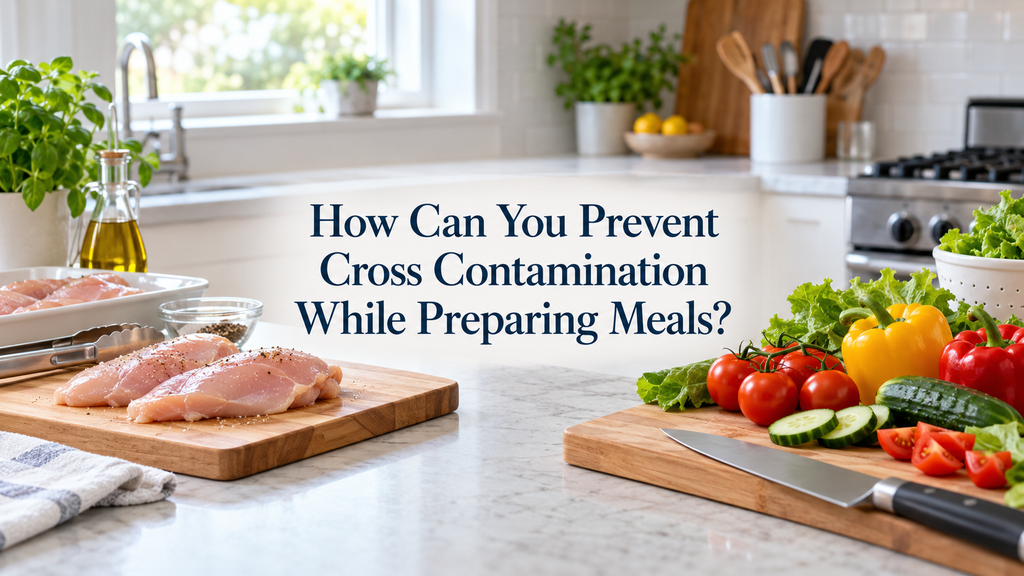
For example, keep one cutting board for raw meat and poultry and another for vegetables, fruits, bread, and ready to eat foods.
Some households prefer color coded cutting boards because they make it easier to remember which board belongs to each food category.
If you have only one cutting board, wash it thoroughly with hot, soapy water after preparing raw ingredients and before using it again.
Replace cutting boards that develop deep cracks or grooves that are difficult to clean.
3. Keep Raw Meat Away From Ready to Eat Foods
Raw meat and ready to eat foods should remain separate throughout meal preparation.
Chicken, beef, seafood, and other raw animal products may contain harmful microorganisms.
Foods such as salads, cooked rice, fresh fruit, and bread might not receive further cooking before serving.
Placing these foods close together increases the possibility of accidental contamination.
For example, avoid placing freshly chopped tomatoes beside raw chicken on the same plate.
Use separate bowls, containers, and preparation areas whenever possible.
If kitchen space is limited, prepare vegetables and other ready to eat ingredients first. After storing them safely, begin handling raw meat.
This simple preparation order can make cooking safer and more organized.
4. Clean Kitchen Utensils After Every Important Step
Knives, spoons, plates, and other kitchen tools can transfer bacteria between ingredients.
A knife used to cut raw chicken should never be used immediately to slice fresh vegetables without proper washing.
Similarly, a plate that previously held raw meat should not be used to serve cooked food unless it has been cleaned.
Wash utensils with dishwashing liquid and water, making sure to remove visible food particles.
Pay particular attention to knife handles, chopping tools, and frequently used kitchen equipment.
When preparing several dishes, keeping clean utensils available can prevent unnecessary contact between raw and cooked ingredients.
Developing this habit makes meal preparation more efficient while supporting better food safety.
5. Store Raw Foods Properly in the Refrigerator
Cross contamination can begin long before cooking starts.
Improper refrigerator storage allows juices from raw meat or poultry to drip onto other foods.
For example, raw chicken stored above fresh vegetables may release liquid that contaminates the ingredients underneath.
A safer practice is to keep raw meat, poultry, and seafood in sealed, leakproof containers on the bottom shelf of the refrigerator.
Store cooked meals, fruits, vegetables, and ready to eat items separately.
Keep the refrigerator at 4°C or below to slow bacterial growth.
Avoid overcrowding the refrigerator because proper air circulation helps maintain a consistent temperature.
Regularly inspect stored foods and clean spills promptly to maintain a hygienic environment.
6. Avoid Washing Raw Chicken or Meat
Many people believe washing raw chicken under running water makes it cleaner and safer.
However, washing raw poultry can spread harmful bacteria through splashing water.
Tiny droplets may reach nearby utensils, kitchen counters, sinks, and other ingredients.
Washing raw chicken does not reliably remove harmful microorganisms. Proper cooking is the recommended way to destroy dangerous bacteria.
Instead of rinsing chicken, handle it carefully and transfer it directly to the cooking container.
If you accidentally splash raw meat juices around the sink, clean and sanitize the affected surfaces.
After handling raw poultry, wash your hands and any equipment that came into contact with it.
This small adjustment can reduce the spread of bacteria around your kitchen.
7. Clean and Sanitize Kitchen Surfaces Regularly
Kitchen countertops may appear clean while still carrying harmful microorganisms.
Food particles, moisture, and raw ingredient juices can collect on preparation surfaces.
Before preparing meals, clean countertops and tables to remove dirt and leftover food.
After handling raw meat or poultry, wash the affected surfaces with soapy water. Follow with a food contact surface sanitizer according to its label instructions when needed.
Always use cleaning products according to their directions, and never mix different household cleaning chemicals.
Kitchen sinks, refrigerator handles, and commonly touched surfaces also require regular attention.
Maintaining clean preparation areas makes it easier to prevent cross contamination throughout the cooking process.
8. Wash Fruits and Vegetables Properly
Fresh fruits and vegetables are valuable components of a balanced diet, but they may carry soil, dirt, and microorganisms.
Before cutting or eating fresh produce, rinse it thoroughly under running water.
Gently rub firm fruits and vegetables while rinsing to remove visible dirt.
For produce with tough surfaces, such as potatoes or melons, a clean vegetable brush may be helpful.
Do not use ordinary soap or dishwashing detergent to wash fruits and vegetables.
Even fruits that will be peeled should be washed before cutting. Otherwise, bacteria from the outer surface may transfer to the edible portion through the knife.
After washing, place produce on a clean surface away from raw meat and seafood.
9. Use Clean Kitchen Towels and Sponges
Kitchen towels and sponges are useful for everyday cleaning, but they can also spread contamination when handled incorrectly.
A damp cloth used to wipe raw chicken juices should not be used afterward to dry clean dishes.
Similarly, using one sponge for dirty surfaces and food preparation areas may transfer microorganisms.
Keep separate cleaning cloths for different kitchen tasks.
Wash reusable towels frequently and allow them to dry completely.
Replace damaged or unpleasant smelling sponges and clean reusable sponges regularly.
Disposable paper towels can be helpful when cleaning spills involving raw meat juices.
The main goal is to avoid moving contamination from one kitchen surface to another.
10. Cook Food at Safe Internal Temperatures
Proper cooking is another essential part of food safety.
Even when ingredients are handled carefully, some raw foods may naturally contain harmful bacteria.
Cooking food to a safe internal temperature helps destroy these microorganisms.
For example, poultry should reach an internal temperature of 74°C (165°F).
Ground meat generally requires 71°C (160°F), while whole cuts of beef, lamb, and pork should reach at least 63°C (145°F), followed by a three minute resting period.
A food thermometer provides a more reliable measurement than judging food only by its appearance or color.
Remember that cooking cannot make every form of contamination harmless, particularly some heat stable toxins or allergens.
Therefore, proper cooking should be combined with clean food handling practices.
11. Avoid Using the Same Plates for Raw and Cooked Food
One common kitchen mistake is placing cooked food back onto the plate that previously held raw ingredients.
For example, raw chicken pieces may be carried to the stove on a plate. After cooking, placing the finished chicken on that same unwashed plate can reintroduce harmful bacteria.
Always use a clean serving plate for cooked foods.
The same rule applies to barbecue preparation, grilling, and outdoor cooking.
Keep separate utensils for raw ingredients and finished meals.
These simple practices help prevent freshly cooked food from becoming contaminated before serving.
12. Practice Safe Food Storage After Cooking
Preventing cross contamination does not end when cooking is complete.
Cooked food can become contaminated through dirty containers, unwashed hands, or contact with raw ingredients.
Transfer leftovers into clean, covered containers.
Refrigerate perishable foods within two hours of cooking or serving. If the surrounding temperature is above 32°C, refrigerate them within one hour.
Use shallow containers when storing large portions because they help food cool more quickly.
Avoid placing cooked food near uncovered raw ingredients.
Most refrigerated cooked leftovers should be eaten within three to four days or frozen for longer storage.
Following these practices helps maintain food quality and reduces food safety risks.
13. Pay Attention to Food Allergens
Cross contamination does not involve harmful bacteria alone.
Food allergens can also transfer between ingredients, equipment, and preparation surfaces. This is commonly called allergen cross contact.
For example, a knife used to spread peanut butter may transfer peanut proteins to another food.
For someone with a peanut allergy, even a small amount may trigger a serious reaction.
When preparing meals for people with allergies, use thoroughly cleaned utensils, cutting boards, and preparation surfaces.
Keep allergenic ingredients away from foods intended for the affected person.
Check ingredient labels carefully and avoid sharing equipment when adequate cleaning cannot be ensured.
Extra attention is especially important when cooking for guests or family members with known food allergies.
14. Organize Your Cooking Routine
A well organized kitchen can make preventing cross contamination much easier.
Before cooking, gather clean utensils, separate ingredients, and identify which foods require careful handling.
Begin by preparing ingredients that will be eaten without further cooking.
Next, prepare raw meat, poultry, or seafood using dedicated utensils and surfaces.
Clean the workspace thoroughly before moving to another task.
Avoid unnecessary movement between raw ingredients and ready to eat meals.
Keeping food containers covered and maintaining a clean preparation area can also reduce accidental contact.
Good organization saves time and supports safer meal preparation.
Common Mistakes That Increase Cross Contamination
Even experienced home cooks sometimes develop habits that increase food safety risks.
Common mistakes include forgetting to wash hands after handling raw chicken, using the same knife for different ingredients, storing raw meat above vegetables, and wiping surfaces with dirty cloths.
Another mistake is assuming that food is safe simply because it smells fresh.
Some harmful bacteria do not produce noticeable changes in food appearance, taste, or smell.
Being aware of these mistakes can help families improve their everyday cooking routines.
Final Thoughts
Learning how to prevent cross contamination while preparing meals is an important part of creating a safe and healthy kitchen.
Small habits such as washing hands, separating raw and cooked foods, cleaning utensils, storing ingredients properly, and cooking at safe temperatures can significantly reduce food safety risks.
You do not need expensive kitchen equipment to follow these practices. Consistency and attention to everyday details are more important.
Whether you are preparing a simple breakfast, a family lunch, or a special dinner, safe food handling should always remain a priority.
By making these practices part of your daily routine, you can prepare meals with greater confidence, protect your family, and maintain a cleaner cooking environment.
Frequently Asked Questions
What is the easiest way to prevent cross contamination?
The easiest approach is to wash your hands regularly, keep raw meat separate from ready to eat foods, and use clean cutting boards and utensils.
Can cross contamination happen inside a refrigerator?
Yes. Juices from raw meat or poultry can drip onto other foods. Store raw animal products in sealed containers on the bottom refrigerator shelf.
Is washing raw chicken recommended?
No. Washing raw chicken can spread bacteria through water splashes. Cooking chicken to a safe internal temperature is the recommended method.
Can cooked food become contaminated again?
Yes. Cooked food can become contaminated if it touches dirty utensils, unwashed hands, raw food juices, or contaminated preparation surfaces.
Why are separate cutting boards important?
Separate cutting boards help prevent harmful microorganisms from transferring between raw animal products and foods that may be eaten without additional cooking.


