Eating a balanced diet is one of the most important steps toward maintaining good health. Our bodies need different nutrients every day to support energy, growth, digestion, and normal body functions. While fruits, vegetables, whole grains, and protein foods receive plenty of attention, nuts and seeds are also valuable parts of a healthy eating routine.
Nuts and seeds may look small, but they contain an impressive variety of nutrients. They provide healthy fats, plant protein, dietary fiber, vitamins, minerals, and natural antioxidants. Including moderate amounts of these foods in everyday meals can improve the overall nutritional quality of a diet.
One interesting thing about nuts and seeds is their versatility. They can be eaten as snacks, added to breakfast, mixed into salads, or included in homemade recipes. People do not need expensive ingredients or complicated cooking methods to enjoy their nutritional benefits.
Understanding why nuts and seeds are important in everyday nutrition can help people make better food choices and develop healthier eating habits.
What Makes Nuts and Seeds Nutritious?
Nuts and seeds contain several nutrients that the human body needs for normal functioning. Although each variety has a slightly different nutritional composition, most provide a combination of healthy fats, protein, and important minerals.
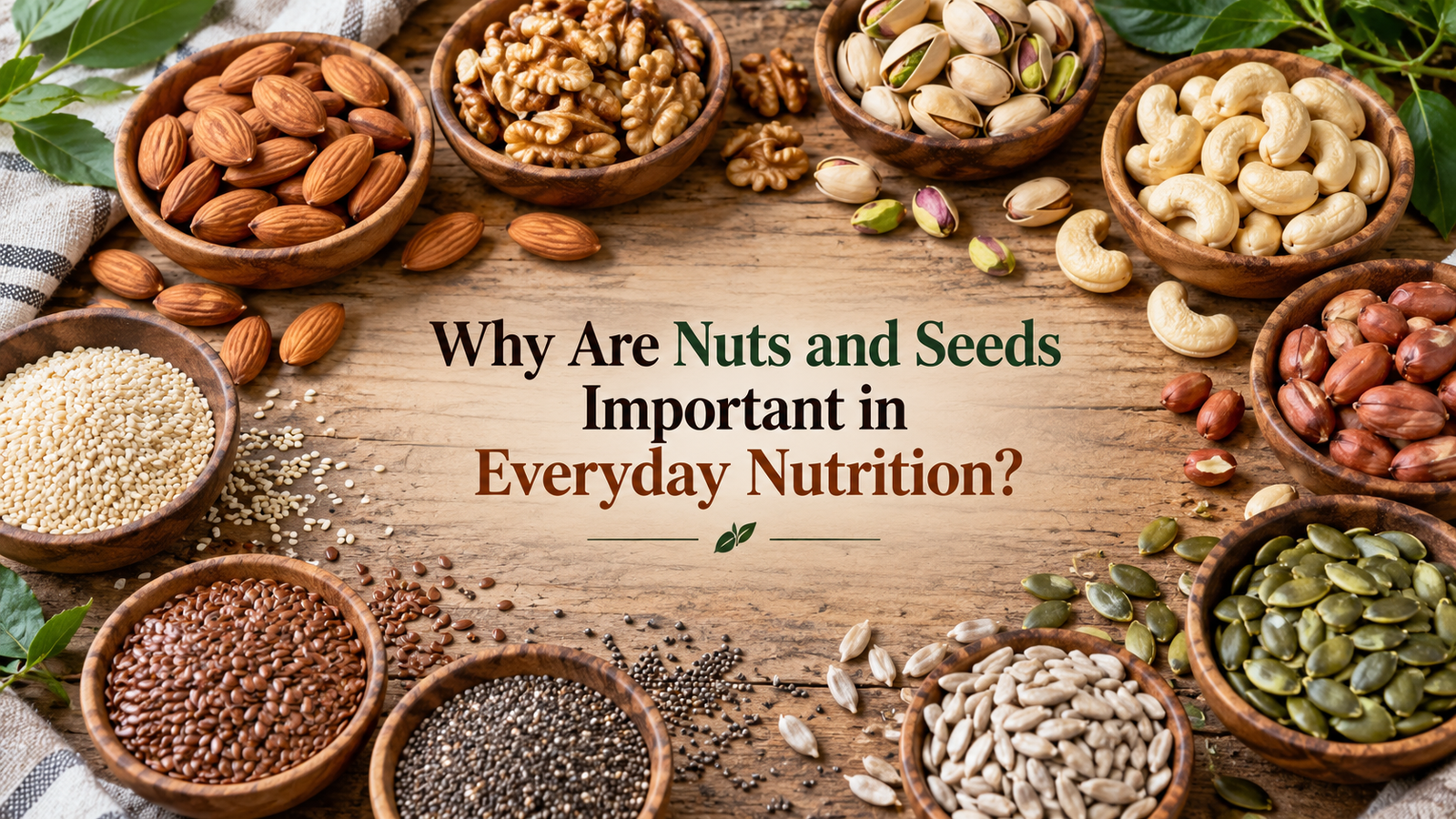
Almonds, walnuts, pistachios, peanuts, cashews, sunflower seeds, pumpkin seeds, chia seeds, and flaxseeds are popular examples.
Some nuts are particularly rich in vitamin E, while others provide magnesium, copper, or healthy omega 3 fatty acids. Seeds can also contain valuable amounts of iron, zinc, and dietary fiber.
These nutrients perform different functions in the body. Protein helps maintain tissues, healthy fats support cell function, and minerals contribute to normal muscle, nerve, and bone health.
Eating different varieties is a practical way to obtain a wider range of nutrients rather than depending on only one type.
1. Nuts and Seeds Provide Healthy Fats
One of the main reasons nuts and seeds are important in everyday nutrition is their healthy fat content.
The body needs dietary fat to absorb certain vitamins, maintain cell membranes, and support many biological processes. However, the type of fat people consume matters.
Most nuts and seeds contain unsaturated fats, which are generally considered healthier choices than foods containing large amounts of saturated fat.
Walnuts, almonds, sunflower seeds, and flaxseeds are examples of foods that provide beneficial unsaturated fats.
Replacing some saturated fat sources with unsaturated fats may help improve blood cholesterol levels and support cardiovascular health.
It is important to remember that nuts and seeds are naturally calorie dense. Eating reasonable portions allows people to enjoy their nutritional benefits without consuming unnecessary extra calories.
2. They Support Heart Health
Heart health is closely connected to everyday eating habits. A diet rich in vegetables, fruits, whole grains, and healthy fats can help support the cardiovascular system.
Nuts and seeds are useful additions to this type of diet because they contain unsaturated fats, fiber, and several important minerals.
Walnuts are especially interesting because they contain alpha linolenic acid, a plant based omega 3 fatty acid.
Almonds and pistachios also provide nutrients that can support a heart healthy eating pattern.
Research suggests that regularly eating nuts as part of a balanced diet is associated with a lower risk of certain cardiovascular diseases.
However, nuts and seeds are not medicines, and eating them cannot guarantee protection against heart problems. Their benefits are strongest when they replace less nutritious foods and form part of an overall healthy lifestyle.
Choosing unsalted varieties is especially helpful for people who want to manage their sodium intake.
3. Nuts and Seeds Are Good Sources of Plant Protein
Protein is necessary for building and repairing body tissues. It also contributes to the normal functioning of enzymes, hormones, and the immune system.
Although meat, fish, eggs, and dairy products are familiar sources of protein, plant foods can also make important contributions.
Peanuts, almonds, pumpkin seeds, and sunflower seeds contain useful amounts of plant protein.
For people who follow vegetarian diets or simply want to include more plant foods in their meals, nuts and seeds can help increase daily protein intake.
For example, a handful of peanuts can provide protein along with healthy fats and fiber.
Nuts and seeds should not be considered complete replacements for every other protein source. A varied diet containing beans, lentils, whole grains, and other protein rich foods helps provide the amino acids the body needs.
4. They Help Maintain Healthy Digestion
Digestive health depends on several factors, including adequate fiber intake, hydration, physical activity, and balanced eating habits.
Many nuts and seeds contain dietary fiber, which helps support regular bowel movements and normal digestive function.
Chia seeds, flaxseeds, almonds, and pistachios are examples of foods that contribute fiber to the diet.
Fiber also supports beneficial bacteria living in the digestive system. These microorganisms play important roles in maintaining normal gut function.
Adding a small quantity of seeds to oatmeal or yogurt can be an easy way to increase daily fiber consumption.
However, people who are not accustomed to fiber rich foods should increase their intake gradually. Suddenly eating large quantities may cause bloating or digestive discomfort.
Drinking enough water is also important, particularly when consuming fiber rich seeds.
5. Nuts and Seeds Can Help Manage Hunger
Feeling hungry shortly after eating can make it difficult to maintain consistent eating habits.
Nuts and seeds contain combinations of protein, fat, and fiber that can help promote fullness after meals.
For example, eating a small portion of almonds with fruit may provide more lasting satisfaction than eating a sugary snack alone.
This does not mean nuts automatically cause weight loss. They contain substantial calories, and consuming large quantities can increase total energy intake.
However, replacing highly processed snacks with moderate portions of nuts may help people manage hunger while obtaining useful nutrients.
A simple approach is to measure a small serving instead of eating directly from a large packet.
Mindful portions make it easier to include nuts and seeds in a balanced diet.
6. They Provide Important Vitamins and Minerals
Vitamins and minerals help the body perform essential daily functions.
Nuts and seeds provide several micronutrients that may be difficult to obtain in sufficient amounts when diets lack variety.
Almonds and sunflower seeds are good sources of vitamin E, which helps protect cells from oxidative damage.
Pumpkin seeds provide magnesium and zinc, while cashews contain copper and other minerals.
Brazil nuts are especially rich in selenium, a mineral needed for normal thyroid function and antioxidant activity.
However, Brazil nuts contain highly variable and sometimes exceptionally high amounts of selenium. Eating too many regularly can lead to excessive intake.
The nutritional value of each nut or seed differs, which is another reason variety is useful.
Including several types throughout the week can support overall micronutrient intake.

7. Nuts and Seeds Support Bone Health
Strong bones require sufficient calcium, vitamin D, protein, magnesium, and other nutrients.
Although dairy products and certain fortified foods are well known for supporting bone health, some nuts and seeds also contribute valuable minerals.
Sesame seeds provide calcium, while almonds contain calcium and magnesium.
Pumpkin seeds and other varieties provide magnesium, which contributes to normal bone structure.
Protein from nuts and seeds also supports the maintenance of body tissues, including those involved in bone health.
However, eating nuts alone cannot provide everything necessary for strong bones.
Regular physical activity, adequate vitamin D, and a balanced diet remain important.
Using sesame seeds in homemade foods or adding almonds to breakfast can be simple ways to increase nutritional variety.
8. They Contribute to Brain and Nerve Function
The brain needs a continuous supply of nutrients to function properly.
Healthy fats, certain vitamins, and minerals contribute to the normal operation of the nervous system.
Walnuts contain plant based omega 3 fatty acids, while almonds and sunflower seeds provide vitamin E.
Pumpkin seeds offer magnesium and zinc, minerals involved in important neurological processes.
These nutrients contribute to normal body functions, but it would be inaccurate to claim that eating a particular nut will immediately improve memory or intelligence.
Brain health depends on many factors, including sleep quality, physical activity, overall nutrition, and long term health.
Including nuts and seeds in a varied eating pattern is one practical way to support nutritional needs.
9. Nuts and Seeds Contain Natural Antioxidants
Antioxidants are substances that help protect cells against certain types of oxidative damage.
Normal metabolic processes and environmental factors can produce molecules called free radicals. Excessive oxidative stress may contribute to cellular damage over time.
Nuts and seeds contain different antioxidant compounds, including vitamin E and plant polyphenols.
Walnuts, pecans, almonds, and sunflower seeds are examples of foods containing these substances.
Antioxidants from whole foods are valuable because they are consumed alongside fiber, minerals, and other nutrients.
Still, no single antioxidant rich food can prevent every disease.
A varied diet containing fruits, vegetables, nuts, seeds, and whole grains provides a broader combination of protective nutrients.
10. They Can Improve the Quality of Everyday Meals
One practical advantage of nuts and seeds is that they can be added to meals without requiring major changes to existing food habits.
A small amount of chopped almonds can improve the texture of oatmeal. Pumpkin seeds can add crunch to salads, while sesame seeds can be sprinkled over cooked vegetables.
Ground flaxseeds can be mixed into yogurt, and walnuts can be included in homemade breakfast dishes.
These additions provide extra nutrients and introduce different flavors and textures.
For people with busy schedules, nuts are also convenient because most varieties require little preparation.
Choosing plain, unsalted nuts and seeds helps avoid unnecessary added sodium, sugar, and flavorings.
Small improvements in everyday meals can make healthy eating more practical and enjoyable.
How Much Nuts and Seeds Should You Eat Daily?
Understanding portion size is important because nuts and seeds are concentrated sources of energy.
For many adults, a practical serving of nuts is approximately 28 grams, which is roughly one small handful.
This amount commonly provides around 160 to 200 calories, depending on the variety.
Seeds can also be included in modest portions, such as one or two tablespoons, depending on individual nutritional needs.
There is no single ideal amount for everyone. Appropriate portions depend on age, activity level, overall calorie requirements, and other foods consumed throughout the day.
People can also alternate between different nuts and seeds instead of eating every variety daily.
The goal is to improve overall diet quality rather than consume the largest possible quantity.
Which Nuts and Seeds Are Best for Everyday Nutrition?
Different nuts and seeds offer different nutritional advantages.
| Nuts and Seeds | Main Nutritional Benefits |
|---|---|
| Almonds | Vitamin E, fiber, and healthy fats |
| Walnuts | Plant based omega 3 fatty acids |
| Pistachios | Protein, fiber, and potassium |
| Peanuts | Plant protein and unsaturated fats |
| Cashews | Copper, magnesium, and healthy fats |
| Pumpkin seeds | Magnesium, zinc, and protein |
| Sunflower seeds | Vitamin E and unsaturated fats |
| Chia seeds | Fiber and plant based omega 3 fats |
| Flaxseeds | Fiber, lignans, and omega 3 fats |
| Sesame seeds | Calcium, copper, and healthy fats |
Rather than choosing only one variety, people can enjoy different options according to their preferences, budget, and availability.
Simple Ways to Include Nuts and Seeds in Your Diet
Healthy eating becomes easier when nutritious foods are convenient and enjoyable.
A few simple habits can help make nuts and seeds part of everyday nutrition.
- Add chopped almonds or walnuts to breakfast oatmeal.
- Sprinkle pumpkin or sunflower seeds over salads.
- Mix chia seeds into yogurt and allow them to hydrate.
- Use ground flaxseeds in homemade smoothies.
- Eat a small handful of unsalted nuts as a snack.
- Add sesame seeds to vegetables or homemade bread.
- Combine nuts with fresh fruit for a satisfying snack.
These methods require little preparation and can fit into many eating routines.
Are There Any Precautions When Eating Nuts and Seeds?
Although nuts and seeds are nutritious, a few precautions are important.
Some people have serious allergies to peanuts, tree nuts, or particular seeds. Anyone with a diagnosed allergy should avoid the relevant food and follow medical guidance.
Whole nuts can also present choking hazards for young children. Age appropriate forms and careful preparation are essential.
People should choose fresh products and store them correctly because high fat foods can become rancid over time.
Flavored varieties may contain excessive salt or added sugar, so reading food labels is useful.
Finally, people with specific medical conditions or dietary restrictions may need individualized guidance about appropriate portions.
Frequently Asked Questions
Is it healthy to eat nuts and seeds every day?
Yes. For most people without relevant allergies or restrictions, moderate portions of nuts and seeds can be included in a healthy daily diet. They provide beneficial fats, protein, fiber, and essential micronutrients.
Can nuts and seeds help with weight management?
They may help increase feelings of fullness because they contain protein, fiber, and fat. However, portion control matters because they are calorie dense.
Should nuts and seeds be eaten raw or roasted?
Both raw and dry roasted varieties can be nutritious. Unsalted options without excessive added oils or sugar are generally preferable.
Which seeds are especially rich in fiber?
Chia seeds and flaxseeds are particularly useful sources of dietary fiber. They can be added gradually to meals while maintaining adequate fluid intake.
Can nuts replace meat in a healthy diet?
Nuts provide plant protein but do not necessarily replace all the nutrients supplied by meat. A balanced vegetarian diet should include several protein sources and pay attention to nutrients such as vitamin B12 and iron.
Conclusion
Nuts and seeds are important in everyday nutrition because they provide a concentrated combination of healthy fats, plant protein, fiber, vitamins, minerals, and natural antioxidants.
Their nutritional benefits can contribute to heart health, normal digestion, bone maintenance, and overall dietary quality. They may also help people feel satisfied between meals when eaten in reasonable portions.
One of their greatest advantages is simplicity. A small handful of nuts or a spoonful of seeds can be added to ordinary meals without complicated preparation.
The most useful approach is to enjoy different varieties, choose minimally processed options, and pay attention to serving sizes.
Making nuts and seeds a regular part of a varied, balanced diet is a simple and practical way to support long term health and better everyday nutrition.