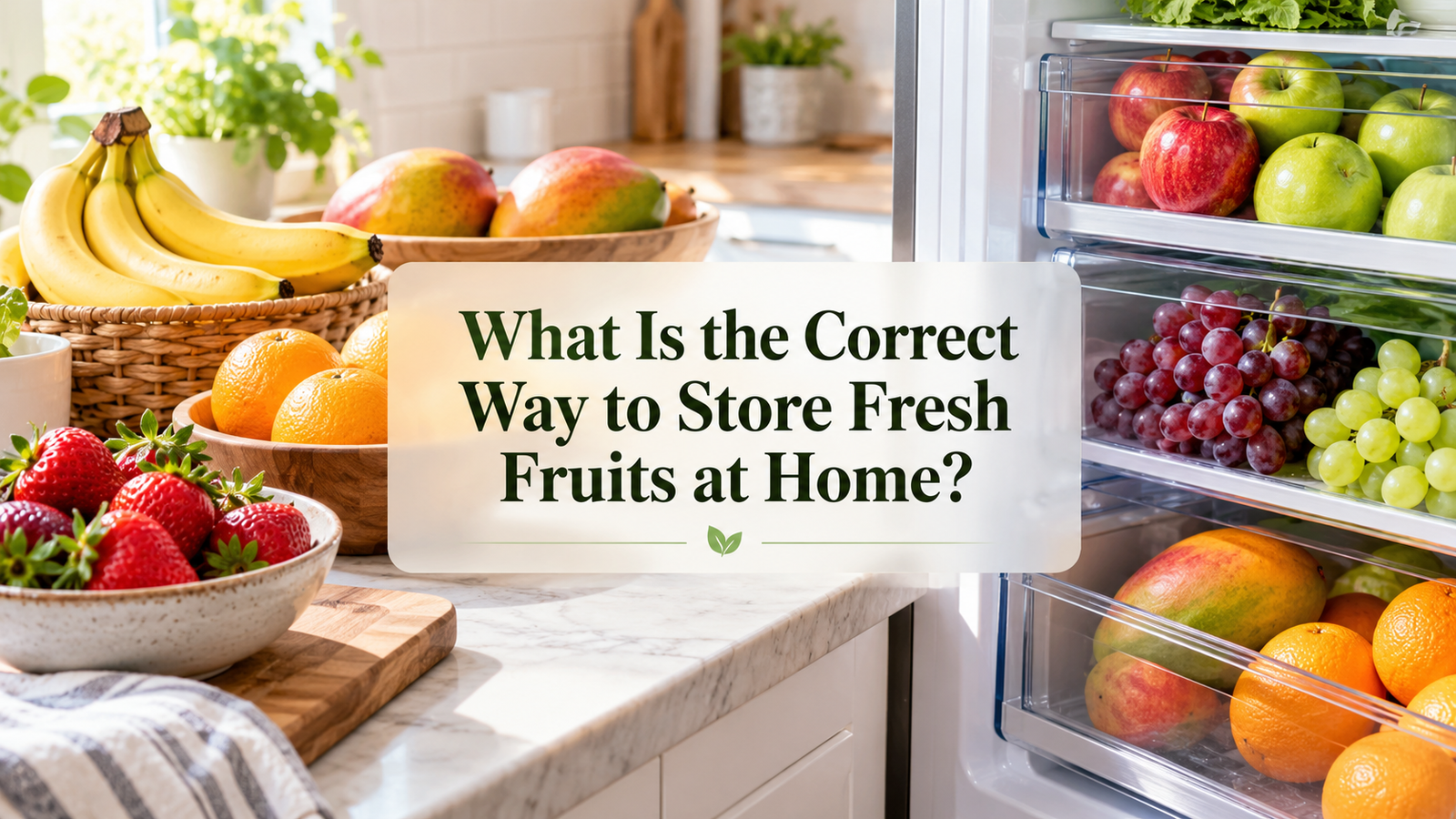
Fresh fruits are an important part of a healthy diet because they provide vitamins, minerals, fiber, and natural nutrients that support everyday health. However, buying fresh fruits is only the first step toward enjoying their benefits. Knowing the correct way to store fresh fruits at home is equally important. Proper storage helps maintain their taste, texture, freshness, and nutritional quality while reducing unnecessary food waste.
Many people purchase fruits with good intentions but find that they become soft, brown, or spoiled within a few days. This usually happens because different fruits require different storage conditions. Some fruits remain fresh longer in the refrigerator, while others need to ripen at room temperature before refrigeration.
Understanding how to store fresh fruits properly can make daily meal preparation easier and help families save money. With a few simple changes in storage habits, it is possible to enjoy fresh and delicious fruits for longer periods.
Why Is Proper Fruit Storage Important?
Proper fruit storage plays an important role in maintaining food quality and safety. Fresh fruits naturally continue to change after harvesting. Some continue ripening, while others gradually lose moisture and freshness.
When fruits are stored in unsuitable conditions, these natural changes may happen more quickly. Excessive heat, moisture, poor ventilation, and improper handling can contribute to faster spoilage.
Correct storage offers several benefits. It helps preserve natural flavor, reduces food waste, supports food safety, and makes fruits more convenient to use in daily meals.
For families that purchase fruits weekly, learning proper storage methods can also reduce repeated shopping trips.
It is important to remember that refrigeration does not stop all changes in fruits. Instead, it generally slows down processes that affect freshness and quality.
Understand Which Fruits Need Refrigeration
One of the most important rules of fresh fruit storage is understanding that not every fruit belongs in the refrigerator immediately.
Some fruits are best stored in cool refrigerator conditions. Others should remain at room temperature until they become ripe.
Fruits such as strawberries, blueberries, grapes, and cherries generally benefit from refrigeration soon after purchase. These fruits can lose freshness quickly when exposed to warm temperatures.
Apples can remain at room temperature for a short period, but refrigeration is usually better for maintaining their crispness over longer periods.
Whole peaches, pears, mangoes, and avocados often need time to ripen at room temperature. Once they reach the desired ripeness, refrigeration can help slow further softening.
Choosing the correct storage location is a simple but effective way to maintain fruit quality.
How to Store Apples at Home
Apples are popular because they are convenient, nutritious, and widely available throughout the year.
For longer storage, place whole apples in the refrigerator’s fruit or crisper drawer. The cool environment helps preserve their firm texture and natural sweetness.
Avoid storing damaged apples together with healthy ones. An apple with bruises or signs of decay may deteriorate faster and affect nearby produce.
It is also helpful to keep apples away from fruits and vegetables that are sensitive to ethylene gas.
If apples are intended for immediate consumption, they can remain in a cool location for a short time. However, refrigeration is generally the better option for extended freshness.
The Best Way to Store Bananas
Bananas require different handling because refrigeration can affect the appearance of their skin.
Unripe bananas should generally be stored at room temperature, away from direct sunlight and excessive heat.
As bananas ripen, their skin gradually changes from green to yellow. When they become fully ripe, they can be transferred to the refrigerator to slow further softening.
The banana peel may turn dark in cold conditions, but the inside can remain suitable for eating.
Avoid keeping bananas near fruits that you do not want to ripen quickly. Bananas produce ethylene gas, which encourages ripening in certain nearby fruits.
If bananas become too ripe, they can be peeled, sliced, and frozen for smoothies or baking.
How to Keep Grapes Fresh for Longer
Grapes are delicate fruits that require careful handling.
The best way to store fresh grapes is to refrigerate them soon after purchase. Keep them in a ventilated container or their original packaging if it allows airflow.
Avoid washing grapes before storage because additional moisture can encourage spoilage. Instead, wash them thoroughly under running water immediately before eating.
Inspect grapes occasionally and remove any that show visible mold or deterioration. If grapes develop mold, discard affected clusters and closely inspect the remaining fruit.
Grapes should be kept away from raw meat, seafood, and other foods that may contaminate them.
Proper refrigeration helps maintain their firm texture and refreshing flavor.
How Should Oranges and Other Citrus Fruits Be Stored?
Oranges, lemons, mandarins, and other citrus fruits are relatively convenient to store.
Whole citrus fruits can remain at room temperature for several days when the environment is cool and dry. However, refrigeration is usually better when longer storage is required.
Place citrus fruits in a refrigerator drawer or a container that provides some airflow.
Avoid keeping them in tightly sealed plastic bags where condensation may accumulate.
Before storage, inspect each fruit for cuts, soft areas, or mold.
Wash citrus fruits before peeling or cutting them because contaminants on the outer skin can transfer to the edible portion during preparation.
Using clean hands and utensils also supports safe handling.
Correct Storage Method for Mangoes
Mangoes are widely enjoyed for their sweet flavor and soft texture.
Unripe mangoes should be kept at room temperature until they become ready to eat. Refrigerating them too early may interfere with normal ripening and affect their flavor.
Once mangoes are ripe, transfer them to the refrigerator to slow further softening.
Whole ripe mangoes can remain refrigerated for several days, depending on their original condition.
Cut mango pieces should be placed in a clean, covered container and refrigerated promptly.
During hot weather, avoid leaving mangoes near windows, cooking areas, or places exposed to strong sunlight.
Checking their ripeness daily can help prevent unnecessary spoilage.
How to Store Strawberries and Other Berries
Strawberries, raspberries, blackberries, and blueberries are among the more delicate fruits commonly found in homes.
These fruits generally need refrigeration soon after purchase.
Keep berries dry and store them in containers that allow some ventilation. Excess moisture can encourage mold growth.
It is usually better to wash berries shortly before eating rather than before storage.
Check the container for damaged or moldy berries. Remove visibly spoiled fruit promptly and inspect the remaining berries carefully.
If berries are very ripe and cannot be consumed soon, freezing is a practical option.
Frozen berries can later be used in smoothies, homemade desserts, and other recipes.
Should Fruits Be Washed Before Refrigeration?
Many people wash all their fruits immediately after bringing them home. Although this may seem convenient, it is not always the best storage practice.
For most whole fruits, washing immediately before eating or preparation is preferable.
Washing fruits before storage can leave moisture on their surfaces. This is particularly problematic for delicate fruits such as berries and grapes.
Extra moisture may increase the likelihood of spoilage.
For safe cleaning, rinse fruits under clean running water. Gently rub firm fruits with your hands or use a clean produce brush when appropriate.
Soap, detergent, and household cleaning products should not be used to wash fruits.
After washing, dry fruits with a clean towel when necessary.
Cut or peeled fruits require different handling and should generally be refrigerated promptly.
Why Should Certain Fruits Be Stored Separately?
Some fruits release a natural plant hormone called ethylene gas.
Ethylene encourages ripening in certain fruits. Common ethylene producing fruits include apples, bananas, pears, peaches, and ripe tomatoes.
When these fruits are stored close to ethylene sensitive produce, they may cause faster ripening or changes in quality.
For example, storing ripe bananas beside unripe avocados may help the avocados ripen faster. However, keeping them together after ripening may cause unwanted softening.
Separating fruits according to their ripening needs is therefore a useful storage habit.
Families can organize refrigerator drawers and countertop baskets to prevent unnecessary exposure.
This simple arrangement can help maintain freshness without requiring special equipment.
Store Cut Fruits Safely
Cut fruits require more careful handling than whole fruits.
Once a fruit is sliced or peeled, its inner surface becomes exposed to the surrounding environment. This increases the importance of cleanliness and temperature control.
Place cut fruits in clean, covered containers and store them in the refrigerator at 4°C or below.
Cut fruit should generally be refrigerated within two hours of preparation. When the surrounding temperature is above 32°C, refrigerate it within one hour.
Use clean knives, chopping boards, and storage containers.
Avoid leaving prepared fruit salads on the dining table for extended periods.
For best quality, prepare only the quantity that can be eaten within a reasonable time.
Can Freezing Help Preserve Fresh Fruits?
Freezing is an excellent option when fresh fruits cannot be consumed before they become overripe.
Bananas, mangoes, berries, peaches, and pineapple can all be frozen for later use.
Start by washing fruits properly, removing inedible portions, and cutting larger fruits into manageable pieces.
Dry the pieces when necessary and arrange them separately on a clean tray before freezing.
Once frozen, transfer them into suitable freezer bags or airtight containers.
Freezing helps preserve fruits for longer periods, although their texture may change after thawing.
Frozen fruits are particularly useful for smoothies, sauces, and homemade desserts.
For best storage conditions, maintain a freezer temperature of approximately minus 18°C or below.
Common Mistakes People Make When Storing Fruits
Several everyday habits can reduce the shelf life of fresh fruits.
One common mistake is placing every fruit in the refrigerator immediately after shopping. Some fruits need room temperature conditions to ripen properly.
Another mistake is storing wet fruits in closed containers, which may encourage moisture buildup.
Overcrowding refrigerator drawers can also restrict airflow and make it difficult to identify spoiled fruits.
Some people leave cut fruits uncovered or keep them outside the refrigerator for too long.
Purchasing excessive quantities without a plan for consumption is another major cause of household food waste.
Avoiding these mistakes can improve both fruit quality and household food management.
Practical Tips to Keep Fruits Fresh Every Day
Maintaining fresh fruits at home does not require complicated techniques.
Begin by purchasing fruits according to your family’s actual needs. Choose fruits that are fresh, clean, and free from serious damage.
After shopping, separate ripe fruits from those that still need time to ripen.
Keep refrigerator temperatures consistent and avoid placing delicate fruits near freezing areas.
Use suitable containers and avoid unnecessary moisture.
Inspect stored fruits regularly and consume those that are already ripe first.
During hot summer months, pay extra attention to fruits stored outside the refrigerator because higher temperatures can accelerate spoilage.
Simple daily habits can make a noticeable difference in how long fruits remain enjoyable.
Frequently Asked Questions About Fresh Fruit Storage
Is it better to store fruits in plastic bags or containers?
It depends on the fruit. Some fruits benefit from ventilated packaging, while cut fruits should be stored in covered food safe containers. Avoid trapping excess moisture around delicate whole fruits.
How long can fresh fruits stay in the refrigerator?
Storage time varies according to the type of fruit, its ripeness, and refrigerator conditions. Some berries remain fresh for only a few days, while properly refrigerated apples may maintain good quality for several weeks.
Can spoiled fruits be made safe by cutting away the damaged part?
Not always. Visible mold or decay can indicate contamination beyond the affected surface, particularly in soft fruits. Moldy soft fruits should generally be discarded rather than trimmed and eaten.
Should bananas and apples be stored together?
They can be stored together when faster ripening is desired. However, separating them may be more useful when trying to maintain the quality of other nearby fruits.
What is the ideal refrigerator temperature for fruits?
A refrigerator temperature of 4°C or below is recommended for food safety. Some fruits may experience chilling damage at low temperatures, so their individual storage needs should also be considered.
Conclusion
Learning the correct way to store fresh fruits at home is a valuable habit that supports healthy eating and reduces food waste. Different fruits require different conditions, so understanding their storage needs is essential for maintaining freshness.
Apples, grapes, berries, and many citrus fruits generally benefit from refrigeration, while bananas, mangoes, peaches, and certain other fruits may need to ripen at room temperature first.
Keeping fruits dry when appropriate, separating ethylene producing varieties, using clean containers, and refrigerating cut fruits promptly are simple practices that can improve storage results.
The most effective approach is to purchase reasonable quantities, inspect fruits regularly, and use ripe produce before it spoils.
With consistent attention to these everyday details, families can enjoy fresh fruits more conveniently while making better use of their grocery budgets and maintaining a healthier home food routine.