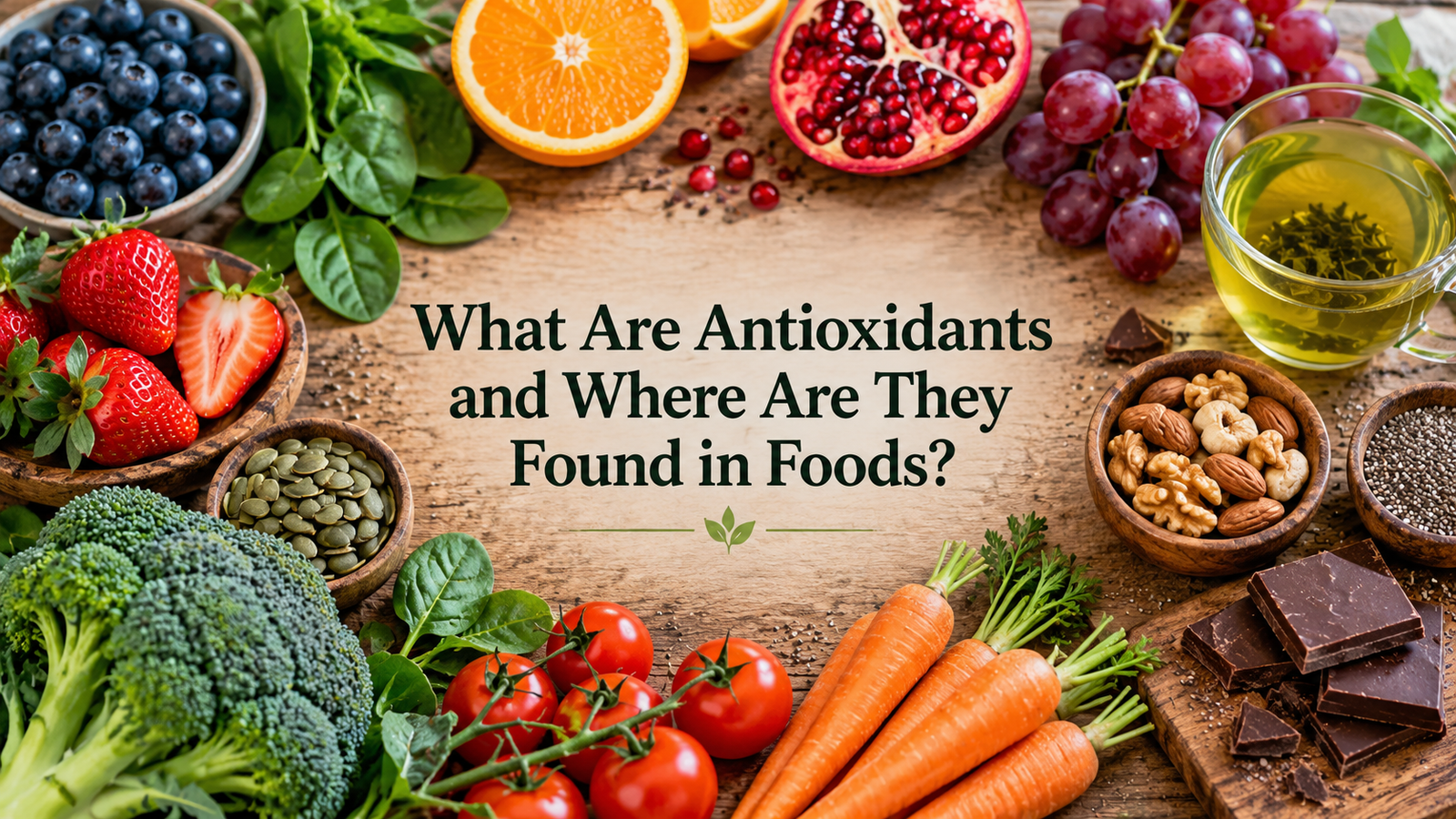
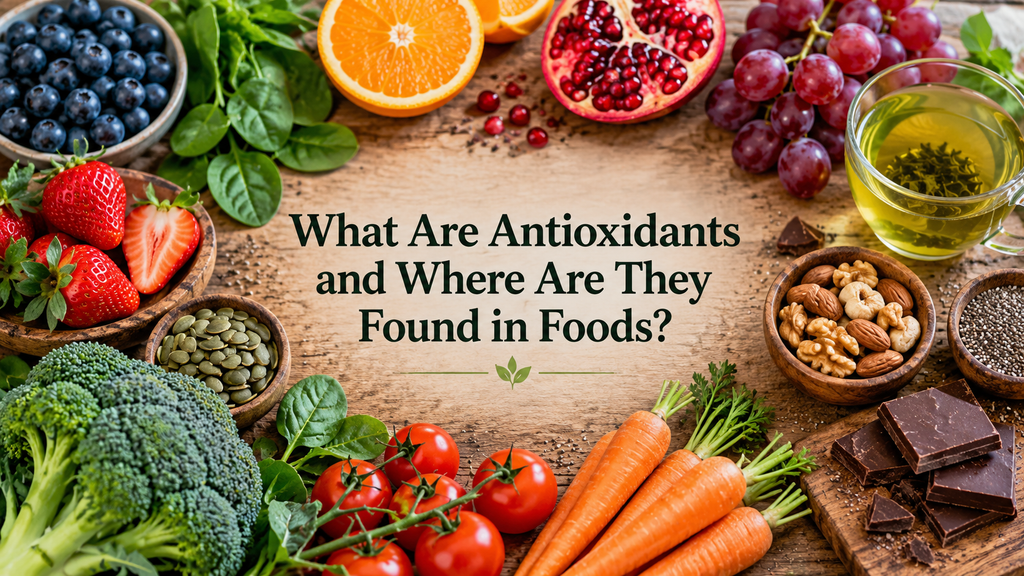
Antioxidants are natural substances that help protect the human body from damage caused by unstable molecules known as free radicals. They are found in many everyday foods, especially fruits, vegetables, nuts, seeds, whole grains, and certain beverages. Antioxidants play an important role in maintaining normal cell function and supporting overall health.
When learning about healthy eating, we often hear that colorful fruits and vegetables are good for the body. One important reason is that many of these foods contain antioxidants. However, antioxidants are not limited to expensive berries or special health products. Common foods such as apples, carrots, spinach, tomatoes, beans, and oranges also provide valuable antioxidant compounds.
Understanding what antioxidants are and where they are found in foods can help people make better dietary choices. A balanced diet that includes different antioxidant rich foods provides essential nutrients and supports the body’s natural protective systems.
What Are Antioxidants?
Antioxidants are substances that can prevent or slow certain types of damage caused by oxidation. Oxidation is a natural chemical process that occurs in the body during metabolism and other biological activities.
When the body converts food into energy, it produces different chemical compounds. Some of these compounds are called free radicals. Free radicals are highly reactive molecules that can interact with important parts of cells.
Antioxidants help control these reactions by neutralizing free radicals or supporting the body’s natural defense systems.
Some antioxidants are produced inside the body, while others come from the food we eat.
Common dietary antioxidants include vitamin C, vitamin E, carotenoids, and various plant compounds known as polyphenols.
These substances work in different ways, which is why eating a variety of nutritious foods is more beneficial than depending on a single antioxidant source.
How Do Antioxidants Work in the Human Body?
The human body continuously carries out chemical reactions to maintain life. These reactions help produce energy, repair tissues, and support normal organ function.
During these activities, reactive molecules may form. One important group is known as reactive oxygen species.
Small amounts of reactive oxygen species are normal and can even help with cell communication and immune functions.
However, when their production becomes excessive and the body’s protective systems cannot maintain balance, a condition called oxidative stress may develop.
Oxidative stress can damage cell membranes, proteins, and genetic material.
Antioxidants help reduce certain harmful oxidation reactions and support the body’s ability to maintain cellular balance.
For example, vitamin C can neutralize specific reactive molecules in water based environments, while vitamin E helps protect cell membranes from oxidation.
The body also contains antioxidant enzymes that work together to manage oxidative processes.
This protective activity is one reason antioxidants are considered an important part of nutrition.
Why Are Antioxidants Important for Health?
Antioxidants contribute to normal health by supporting the body’s natural defense mechanisms.
They are involved in several important biological processes, including the protection of cells and the maintenance of healthy tissues.
Foods containing antioxidants may also provide fiber, vitamins, minerals, and other beneficial plant compounds.
Research has consistently associated diets rich in fruits and vegetables with better long term health outcomes.
However, it is important to understand that these benefits cannot be attributed to antioxidants alone.
The overall nutritional quality of food, lifestyle habits, and dietary patterns also influence health.
Eating antioxidant rich foods should therefore be considered part of a balanced diet rather than a guaranteed method of preventing disease.
What Are the Main Types of Antioxidants Found in Foods?
Different foods contain different antioxidant compounds. Each has its own chemical structure and function.
Vitamin C
Vitamin C is a water soluble vitamin that acts as an antioxidant and supports several important functions in the body.
It contributes to normal immune function, collagen formation, and wound healing.
Vitamin C also helps the body absorb iron from plant foods.
Common sources include oranges, guavas, strawberries, lemons, kiwifruit, bell peppers, and broccoli.
Because the body cannot produce vitamin C, it must come from food.
Vitamin E
Vitamin E is a fat soluble vitamin that helps protect cell membranes from oxidative damage.
It is particularly important because cell membranes contain fats that may be affected by oxidation.
Good dietary sources include almonds, sunflower seeds, hazelnuts, wheat germ, and certain vegetable oils.
Including moderate portions of these foods can help meet daily vitamin E requirements.
Carotenoids
Carotenoids are natural pigments found in many colorful vegetables and fruits.
They are responsible for several yellow, orange, and red colors in plant foods.
Common carotenoids include beta carotene, lycopene, lutein, and zeaxanthin.
Beta carotene can be converted into vitamin A, which supports normal vision and immune function.
Lutein and zeaxanthin are particularly important compounds found in the retina of the eye.
Polyphenols
Polyphenols are a large group of naturally occurring plant compounds.
They include flavonoids, phenolic acids, and other substances that can demonstrate antioxidant activity.
Polyphenols are found in berries, apples, grapes, tea, cocoa, herbs, and many vegetables.
Scientists are studying how these compounds interact with human metabolism, inflammation, and cellular signaling.
Their effects in the body can be more complex than simply neutralizing free radicals.
Which Fruits Are Rich in Antioxidants?
Fruits are among the most convenient sources of dietary antioxidants.
Different fruits provide different combinations of vitamins and plant compounds.
Berries
Strawberries, blueberries, raspberries, and blackberries contain vitamin C and various polyphenols.
Many berries also contain anthocyanins, which are natural pigments responsible for their red, purple, and blue colors.
These compounds are widely studied for their potential effects on cellular health.
Fresh and frozen berries can both contribute valuable nutrients to a balanced diet.
Apples
Apples contain several plant compounds, including quercetin and other polyphenols.
The peel contains an important portion of these compounds, so eating properly washed apples with their skin can provide additional nutritional value.
Apples also contain dietary fiber, which supports digestive health.
Citrus Fruits
Oranges, lemons, grapefruits, and mandarins are well known for their vitamin C content.
They also contain flavonoids that contribute to their overall nutritional value.
Eating whole citrus fruits offers the additional advantage of dietary fiber.
Grapes and Pomegranates
Grapes contain polyphenols, including anthocyanins in darker varieties.
Pomegranates provide compounds known as punicalagins and other polyphenols.
Both fruits can add variety to everyday meals.
Their antioxidant content should be viewed as one part of their nutritional value rather than evidence of special disease curing properties.
Which Vegetables Contain Antioxidants?
Vegetables provide an impressive range of antioxidant compounds along with essential vitamins and minerals.
Eating different vegetables regularly is a practical way to increase dietary variety.
Spinach and Leafy Greens
Spinach, kale, and other leafy greens contain carotenoids such as lutein and zeaxanthin.
These vegetables also provide folate, vitamin K, and other important nutrients.
Leafy greens can be included in salads, soups, and cooked meals.
Carrots
Carrots are particularly rich in beta carotene.
This pigment gives many carrots their familiar orange color.
The body can convert beta carotene into vitamin A when needed.
Eating carrots with a small amount of dietary fat can improve carotenoid absorption.
Tomatoes
Tomatoes contain lycopene, a red pigment belonging to the carotenoid family.
Lycopene has been studied for its antioxidant properties.
Interestingly, cooking tomatoes can make some of their lycopene more available for absorption.
Tomato sauces and cooked tomato dishes can therefore be useful sources.
Broccoli
Broccoli provides vitamin C and several beneficial plant compounds.
It also contains glucosinolates, which can form biologically active compounds when the vegetable is chopped or chewed.
Steaming broccoli is one practical way to prepare it while preserving much of its nutritional value.
Are Nuts and Seeds Good Sources of Antioxidants?
Nuts and seeds provide antioxidants together with healthy fats, protein, and minerals.
Almonds and sunflower seeds are useful sources of vitamin E.
Walnuts contain various polyphenols and provide plant based omega 3 fatty acids.
Pistachios also contain carotenoids and other antioxidant compounds.
Pumpkin seeds and sesame seeds contribute minerals and several beneficial plant substances.
A small handful of unsalted nuts can be a convenient snack.
Because nuts and seeds are energy dense, moderate portions are generally appropriate.
Choosing different varieties helps provide a wider selection of nutrients.
Do Whole Grains and Legumes Provide Antioxidants?
Whole grains and legumes are sometimes overlooked when discussing antioxidant rich foods.
However, they contain several naturally occurring plant compounds.
Whole wheat, oats, barley, and brown rice provide phenolic compounds along with dietary fiber.
Whole grains retain more of their original grain components than refined grains, including the bran and germ where many nutrients are concentrated.
Beans and lentils also contain polyphenols.
Black beans, red kidney beans, and other colorful legumes can provide different antioxidant compounds.
Their combination of fiber, protein, and minerals makes them particularly valuable in everyday nutrition.
Including whole grains and legumes regularly can improve overall dietary quality.
Can Tea, Coffee, and Cocoa Provide Antioxidants?
Certain commonly consumed beverages and foods contain substantial amounts of polyphenols.
Green tea contains catechins, which are natural plant compounds with antioxidant properties.
Black tea also provides polyphenols, although its processing changes the types present.
Coffee contains compounds such as chlorogenic acids.
Unsweetened cocoa contains flavanols that have been studied for their effects on vascular function.
However, the presence of antioxidants does not automatically make every beverage healthy.
Excessive added sugar, large amounts of caffeine, and highly processed ingredients can affect the overall nutritional value.
Water should remain the main source of daily hydration.
Does Cooking Affect Antioxidants in Foods?
Cooking can change the amount and availability of antioxidants in different foods.
Some nutrients, particularly vitamin C, are sensitive to heat and prolonged cooking.
Boiling vegetables in large amounts of water may also cause certain water soluble nutrients to move into the cooking liquid.
On the other hand, cooking can improve the availability of some carotenoids.
For example, cooked tomatoes may provide more readily absorbable lycopene than raw tomatoes.
The effect depends on the food, cooking method, temperature, and preparation time.
Steaming, roasting, and gentle cooking can be useful preparation methods.
Eating a combination of raw and cooked vegetables is a simple approach to obtaining different nutrients.
Are Antioxidant Supplements Better Than Natural Foods?
Antioxidant supplements are widely available, but they are not necessarily better than obtaining antioxidants through food.
Whole foods contain many nutrients that work together.
For example, an orange provides vitamin C, fiber, water, and several plant compounds.
A vitamin C tablet does not provide the same complete nutritional combination.
Research has not demonstrated that taking high doses of antioxidant supplements generally provides the same health benefits associated with eating fruits and vegetables.
Certain high dose supplements may even cause harm in specific situations.
For example, high dose beta carotene supplements have been linked to increased lung cancer risk among smokers and some other high risk groups.
Supplements may be appropriate when a healthcare professional identifies a nutritional need.
For most people, a varied diet is the preferred starting point.
How Can You Include More Antioxidant Rich Foods in Your Daily Diet?
Increasing antioxidant intake through ordinary meals does not require expensive ingredients or complicated recipes.
A few simple dietary choices can provide a wide selection of antioxidant compounds.
For breakfast, oatmeal with apple slices or seasonal fruit can provide fiber and plant compounds.
At lunch, adding spinach, carrots, tomatoes, or other vegetables increases nutritional variety.
A snack containing a small portion of almonds or walnuts can contribute vitamin E and polyphenols.
Dinner may include lentils, beans, whole grains, and cooked vegetables.
Seasonal fruits such as guavas, oranges, grapes, and pomegranates are useful options when available.
The goal should be to eat different plant foods rather than relying on one particular ingredient.
Does the Color of Food Indicate Its Antioxidant Content?
The natural color of many fruits and vegetables can offer clues about certain plant compounds.
Orange vegetables often contain carotenoids.
Red tomatoes are known for lycopene.
Purple berries and grapes may contain anthocyanins.
Dark green vegetables frequently contain lutein and other carotenoids.
However, color alone cannot determine the total antioxidant value of food.
Some pale colored foods, including onions and certain beans, also contain beneficial plant compounds.
Eating a variety of colors is therefore a useful dietary habit, but it should not be treated as a scientific ranking system.
Common Misunderstandings About Antioxidants
One common misunderstanding is that antioxidants completely eliminate free radicals.
In reality, free radicals are also involved in normal biological processes.
The body needs to maintain a balance rather than remove every reactive molecule.
Another misconception is that foods with high laboratory antioxidant measurements always produce greater health benefits.
Laboratory measurements do not necessarily reflect how a compound behaves after digestion and absorption.
Similarly, no single antioxidant rich food can compensate for an otherwise poor diet.
Healthy eating depends on the combined effects of nutritious foods, appropriate portions, and consistent habits.
Frequently Asked Questions About Antioxidants
What foods contain the most antioxidants?
Berries, colorful vegetables, beans, nuts, herbs, tea, and cocoa can contain substantial amounts of antioxidant compounds. Their exact content varies by variety and preparation.
Is vitamin C an antioxidant?
Yes. Vitamin C is an important dietary antioxidant that also supports collagen formation, immune function, and iron absorption.
Can antioxidants prevent aging?
Antioxidants help manage oxidative processes, but there is no convincing evidence that consuming large amounts of antioxidants can stop or reverse normal human aging.
Should antioxidant rich foods be eaten every day?
Including fruits, vegetables, whole grains, and other nutritious plant foods in daily meals is a practical way to support a balanced diet.
Are fresh foods better than frozen foods for antioxidants?
Not always. Frozen fruits and vegetables can retain substantial amounts of nutrients and antioxidant compounds. Both fresh and frozen options can be healthy choices.
Conclusion
Antioxidants are important substances that help the body manage oxidative reactions and protect cells from certain types of damage. They include familiar nutrients such as vitamins C and E, along with carotenoids and numerous plant compounds.
Some of the best everyday sources of antioxidants include fruits, vegetables, nuts, seeds, whole grains, legumes, tea, and cocoa.
The most effective dietary approach is not to search for one powerful antioxidant or depend on expensive supplements. Instead, it is better to include a wide variety of nutritious foods in regular meals.
Understanding what antioxidants are and where they are found in foods makes healthy eating easier and more practical. By choosing colorful vegetables, seasonal fruits, whole grains, and other minimally processed foods, people can support their nutritional needs and maintain healthier eating habits over time.