
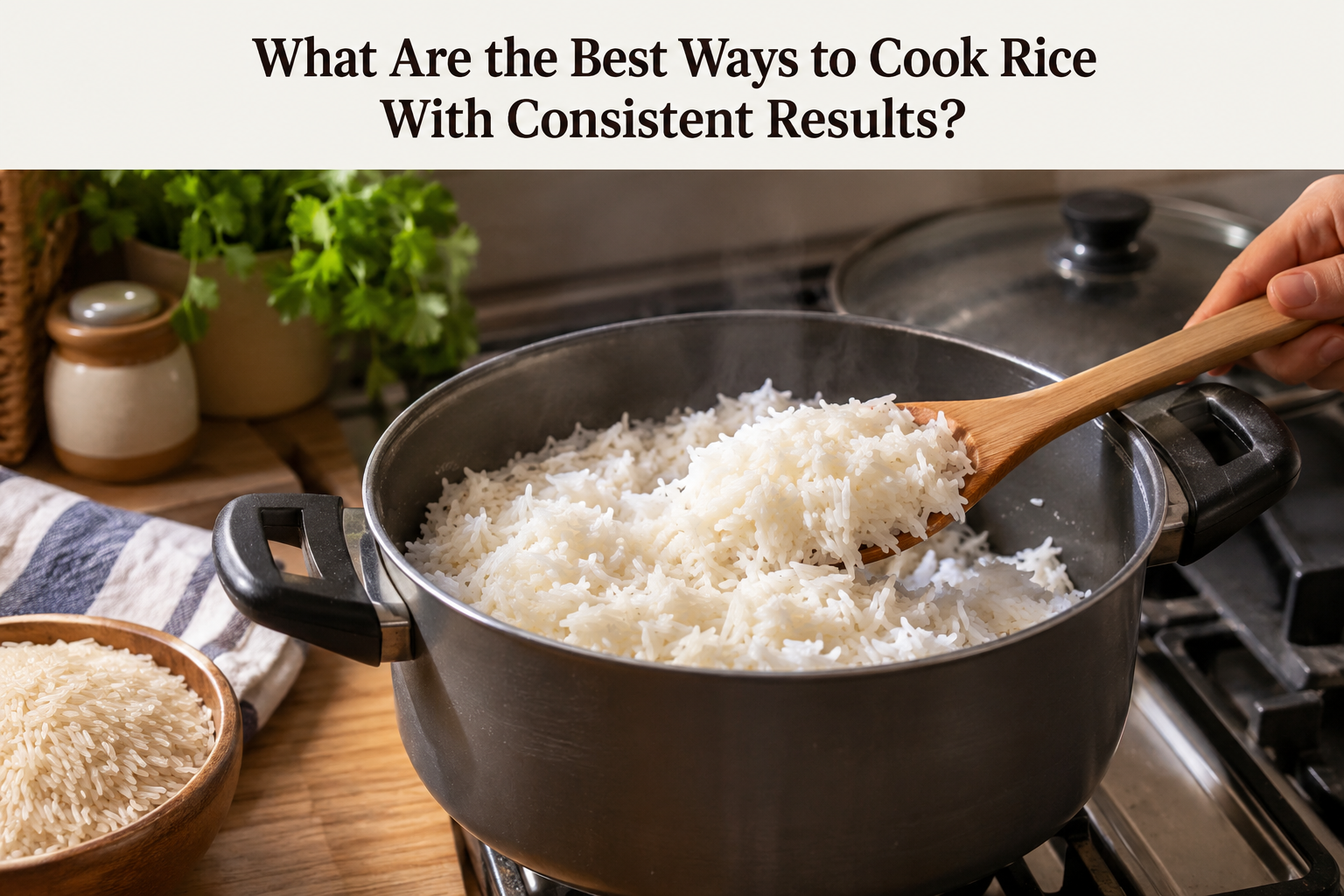
Rice is one of the most commonly prepared foods in the world. It is an important part of everyday meals in many countries because it is affordable, versatile, and easy to combine with different ingredients. However, cooking rice perfectly every time can be more challenging than it appears. Sometimes the rice becomes sticky, sometimes it remains hard, and sometimes it absorbs too much water.
Learning the best ways to cook rice can make everyday cooking easier and more enjoyable. Good rice should have the texture that suits the dish, whether that means soft and fluffy grains, slightly firm rice, or a naturally sticky consistency.
The secret to consistent results is understanding the type of rice, using the correct amount of water, controlling cooking temperature, and allowing enough resting time. With a few basic techniques, anyone can prepare delicious rice at home without complicated equipment.
1. Understand Different Types of Rice Before Cooking
The first step toward cooking rice successfully is choosing the right variety. Different types of rice contain different amounts of starch and absorb water differently. Understanding these differences helps prevent common cooking mistakes.
Long grain rice usually becomes light and fluffy when cooked correctly. Its grains tend to remain separate, making it suitable for everyday meals, rice salads, and many traditional dishes.
Basmati rice is a popular long grain variety known for its pleasant aroma and delicate texture. It is commonly used in Pakistani and Indian cooking, especially for pulao, biryani, and simple boiled rice.
Medium grain rice contains more starch and often becomes slightly tender and moist after cooking. It works well in dishes where a softer texture is preferred.
Short grain rice is naturally stickier because of its starch composition. It is commonly used for sushi and other dishes that require grains to hold together.
Brown rice contains the bran layer, which gives it a firmer texture and a longer cooking time compared with most white rice varieties.
Selecting the appropriate rice variety makes it easier to achieve the desired result.
2. Measure Rice and Water Carefully
One of the most important techniques for cooking rice consistently is measuring ingredients properly.
Adding too much water can make rice excessively soft or mushy. Using too little water may leave the grains undercooked or cause them to burn at the bottom of the pot.
The correct rice to water ratio depends on the variety, cooking method, and equipment.
The following measurements provide useful starting points for the absorption method.
| Type of Rice | Rice Quantity | Water Quantity |
|---|---|---|
| White long grain rice | 1 cup | 1.5 to 2 cups |
| White basmati rice | 1 cup | 1.25 to 1.75 cups |
| Jasmine rice | 1 cup | 1.25 to 1.5 cups |
| Brown rice | 1 cup | 2 to 2.5 cups |
| Short grain white rice | 1 cup | 1.1 to 1.3 cups |
These are general guidelines rather than fixed rules. Some varieties require different measurements depending on their processing, age, and cooking equipment.
Using the same measuring cup for rice and water helps maintain accuracy.
It is also helpful to record the ratio that works best for a particular brand of rice. Small adjustments can improve the results over time.
3. Wash Rice Properly Before Cooking
Washing rice is a simple preparation step that can improve its final texture.
During processing and packaging, loose starch particles may collect on the surface of rice grains. When these particles mix with cooking water, they can make the rice stickier.
To wash rice, place it in a bowl and add clean water. Gently move the grains with your fingers, then pour away the cloudy water.
Repeat this process two or three times, or until the water becomes less cloudy.
There is no need to rub the rice aggressively because excessive handling may break delicate grains.
Washing is particularly helpful when preparing basmati rice or other varieties where separate grains are preferred.
However, some enriched rice products should not be rinsed because washing can remove added nutrients. Always check the package instructions.
The goal is to prepare the rice according to its variety and intended dish.
4. Soak Rice When Necessary
Soaking rice before cooking can help certain varieties absorb water more evenly.
Basmati rice, for example, often benefits from soaking because its long grains can become more evenly hydrated before cooking.
A soaking period of approximately 15 to 30 minutes is usually sufficient for many white basmati varieties.
After soaking, drain the rice carefully before adding the measured cooking water.
Soaked rice may require less water or a shorter cooking time than unsoaked rice. This is why it is important to follow a method designed for the preparation you are using.
Not every rice variety requires soaking.
Jasmine rice and many ordinary white rice products can be cooked successfully without this step.
Brown rice may benefit from soaking, but it generally requires a longer cooking period because its outer bran layer remains intact.
Understanding when soaking is useful prevents unnecessary preparation and improves consistency.
5. Use the Absorption Method for Everyday Rice
The absorption method is one of the easiest ways to cook rice at home.
In this technique, rice cooks in a measured amount of water until the liquid is absorbed and the grains become tender.
Begin by placing washed and drained rice in a suitable pot. Add the recommended amount of water and a small quantity of salt if desired.
Bring the water to a gentle boil over medium heat.
Once boiling, reduce the heat to low and cover the pot with a tight lid.
Allow the rice to simmer without frequent stirring.
Most ordinary white rice varieties take approximately 12 to 20 minutes to cook using this method. Brown rice often requires 30 to 45 minutes or longer.
Cooking times vary depending on the rice variety and equipment.
When the water has been absorbed, remove the pot from the heat and allow the rice to rest before serving.
This method works especially well for people who want a simple and reliable approach to daily rice preparation.
6. Try the Boiling and Draining Method
Another effective way to cook rice is the boiling and draining method.
This technique is commonly used when preparing basmati rice for traditional meals.
Instead of using a precisely measured amount of water, rice is cooked in a generous quantity of boiling water.
Begin by filling a large pot with water and bringing it to a boil.
Add the washed rice and stir gently once to prevent grains from sticking together.
Allow the rice to cook until it reaches the desired tenderness.
Taste or examine a few grains during cooking. When the rice is fully cooked, drain it through a suitable strainer.
For dishes such as biryani, rice is often drained while it is still slightly firm because it will continue cooking during the final steaming stage.
This technique gives the cook more direct control over tenderness.
It can also be useful for people who struggle with measuring exact water quantities.
However, careful timing is important because rice can become overly soft if left in boiling water too long.
7. Maintain the Correct Cooking Temperature
Temperature control plays a major role in achieving consistent rice texture.
High heat is useful when bringing water to a boil, but it is usually unsuitable throughout the entire cooking process.
Once rice begins cooking, excessive heat can cause water to evaporate too quickly.
This may leave the bottom layer burned while the upper grains remain firm.
For the absorption method, reduce the heat after the initial boil.
A gentle simmer allows water to move through the rice gradually.
Using a heavy bottomed pot can also help distribute heat more evenly and reduce scorching.
Avoid repeatedly increasing and decreasing the flame.
A stable cooking temperature usually produces more predictable results.
8. Avoid Stirring Rice Too Frequently
Many beginners make the mistake of stirring rice repeatedly while it cooks.
Although stirring is useful for certain dishes, such as risotto, it is generally unnecessary when preparing ordinary fluffy rice.
Frequent stirring can damage the grains and release additional starch into the water.
This may create a sticky texture, even when the water quantity is correct.
For the absorption method, stir gently once at the beginning if needed, then cover the pot and leave the rice undisturbed.
Avoid lifting the lid frequently because escaping steam can interfere with the cooking process.
If you need to check the rice, do so carefully near the end of the expected cooking time.
Allowing rice to cook without unnecessary movement helps preserve the shape and texture of its grains.
9. Let Rice Rest After Cooking
Resting is one of the most overlooked steps in rice preparation.
Even after the heat is turned off, rice continues to absorb moisture and redistribute steam.
Serving it immediately may produce uneven results, with some grains wetter than others.
After cooking, leave the pot covered for approximately 5 to 10 minutes.
During this period, the remaining moisture settles more evenly throughout the rice.
Once the resting period is complete, remove the lid and gently fluff the rice with a fork.
Use light movements to separate the grains without crushing them.
This technique is particularly useful when preparing basmati and other long grain rice varieties.
A short resting period can make a noticeable difference in the final texture.
10. Use a Rice Cooker for Convenient Results
A rice cooker is a practical kitchen appliance for people who prepare rice regularly.
It simplifies the cooking process by automatically controlling heating during different stages.
Most rice cookers require users to add washed rice and the recommended quantity of water.
After selecting the appropriate setting, the machine handles much of the cooking process.
Some models include separate options for white rice, brown rice, and other grains.
Many rice cookers also have a warming function that keeps cooked rice warm after the cooking cycle ends.
However, the correct water ratio is still important.
Using too much or too little water can affect the texture even when cooking with an automatic appliance.
For better consistency, follow the measurements provided by the rice cooker manufacturer.
Using the same rice variety and settings each time can make daily meal preparation more predictable.
11. Learn How to Cook Rice in a Pressure Cooker
Pressure cooking is another useful method for preparing rice efficiently.
A pressure cooker traps steam inside a sealed container, allowing food to cook under pressure.
This can reduce cooking time, especially for brown rice and other grains that normally require longer preparation.
However, pressure cookers differ in their operating temperatures, pressure levels, and cooking programs.
The amount of water required may also differ from the quantity used in an ordinary saucepan.
For this reason, it is best to follow the instructions provided with the appliance.
Avoid filling the cooker beyond the manufacturer’s recommended limit.
Use the correct pressure release method and allow the cooker to depressurize safely before opening.
With suitable settings, pressure cooking can produce soft and evenly cooked rice while reducing the need for constant supervision.
12. Understand Common Rice Cooking Mistakes
Even experienced home cooks occasionally face problems when preparing rice.
Understanding the causes of these problems makes them easier to prevent.
Rice becomes too sticky: This may happen because of excessive water, frequent stirring, or the natural starch content of the variety.
Rice remains hard: Insufficient water, inadequate cooking time, or excessive evaporation may prevent the grains from becoming tender.
Rice burns at the bottom: High heat, a thin cooking pot, or too little water can cause scorching.
Rice becomes mushy: Excessive water or prolonged cooking can make grains absorb more moisture than needed.
Rice cooks unevenly: An unsuitable pot, inconsistent heat, or uneven water distribution may create different textures within the same batch.
The best solution is to identify the likely cause and adjust one factor during the next cooking attempt.
Changing several measurements and techniques at once makes it difficult to determine which adjustment improved the outcome.
13. Add Flavor Without Changing the Basic Cooking Method
Plain rice is delicious on its own, but simple ingredients can improve its aroma and taste.
A small amount of salt can enhance the natural flavor of rice.
Whole spices such as cinnamon, cardamom, cloves, and bay leaves are commonly used when preparing aromatic rice dishes.
Some recipes use vegetable broth or chicken broth instead of plain water to create a richer flavor.
A small amount of butter or cooking oil may also be added according to personal preference.
For everyday meals, fresh herbs or a little lemon juice can provide additional flavor after cooking.
When adding ingredients, remember that they may affect the liquid content or cooking behavior.
The main goal should remain consistent moisture, suitable temperature, and the correct cooking time.
14. Store Cooked Rice Safely
Proper storage is just as important as correct cooking.
Cooked rice can contain Bacillus cereus spores that may survive the cooking process. If rice remains at an unsafe temperature for too long, bacteria can grow and produce toxins.
For safe storage, cool cooked rice promptly using shallow containers.
Refrigerate it within two hours, or within one hour if the surrounding temperature is above 32°C.
Keep the refrigerator at 4°C or below.
Refrigerated leftover rice is generally recommended for use within three to four days under standard food safety guidance. For extra caution, particularly when cooling conditions are uncertain, use it sooner.
When reheating rice, heat it thoroughly to 74°C throughout.
Never rely only on smell or appearance to determine whether improperly stored rice is safe.
Following these precautions helps protect food quality and reduces the risk of foodborne illness.
15. Build a Consistent Rice Cooking Routine
The easiest way to improve rice cooking skills is to develop a repeatable routine.
Start by selecting one rice variety and becoming familiar with its characteristics.
Use the same measuring cup, cooking pot, and basic preparation method.
Record the amount of rice, water quantity, cooking time, and resting period that produce your preferred texture.
For example, if your basmati rice becomes too soft, try slightly reducing the water during the next attempt while keeping the other steps unchanged.
If the grains remain firm, check whether they need additional cooking time or a little more water.
Over several cooking sessions, these small observations can help you develop a dependable method.
Consistency comes from practice and careful attention rather than expensive kitchen equipment.
Frequently Asked Questions About Cooking Rice
What is the easiest method for cooking rice at home?
The absorption method is one of the simplest options. It involves cooking rice in a measured quantity of water over low heat until the liquid is absorbed. A rice cooker is another convenient choice.
Should rice always be washed before cooking?
Many rice varieties benefit from washing because it removes loose surface starch. However, some enriched rice products should not be washed. Package instructions should guide your decision.
Why does my rice become sticky after cooking?
Rice may become sticky because of its natural starch content, excessive water, or frequent stirring. Choosing the right variety and following suitable cooking measurements can improve the texture.
How can I make basmati rice fluffy?
Rinse the rice when appropriate, soak it if recommended, use a suitable water ratio, and cook it over gentle heat. Allow the cooked rice to rest before fluffing the grains carefully.
Is a rice cooker better than cooking rice on the stove?
Both methods can produce excellent results. A rice cooker offers convenience and automatic temperature control, while stovetop cooking provides greater flexibility for different recipes.
Conclusion
Learning the best ways to cook rice with consistent results is an important skill for everyday home cooking. Although rice preparation appears simple, small details can significantly influence its taste, texture, and appearance.
Choosing the right variety, measuring water accurately, washing or soaking when appropriate, and controlling cooking temperature are essential steps. Avoiding unnecessary stirring and allowing the rice to rest can further improve the final result.
Whether you prefer the absorption method, boiling and draining, a rice cooker, or pressure cooking, consistency depends on understanding the process and making careful adjustments.
With regular practice, cooking rice becomes easier and more predictable. A reliable method not only saves time in the kitchen but also helps you prepare satisfying homemade meals for your family.
Ultimately, perfectly cooked rice is not about following one universal recipe. It is about finding the right combination of rice variety, water, temperature, and timing that works consistently in your kitchen.


